



What types of hair cannot be treated with laser hair removal?
2026-02-25 15:30
In the field of modern beauty and skin management, laser hair removal has become one of the mainstream methods for removing unwanted hair. More and more people are getting rid of the hassle of repeated shaving, waxing, or depilatory creams by using laser hair removal machines.
However, not all types of hair are suitable for laser hair removal. Many people find that the hair in some areas hardly changes after treatment. This is not a problem with the equipment, but rather due to the characteristics of the hair itself.
So, what types of hair cannot be treated with laser hair removal?
This article will analyze this from multiple dimensions, including scientific principles, hair characteristics, skin tone effects, and hormonal factors, to help you truly understand the suitable scope for laser hair removal.
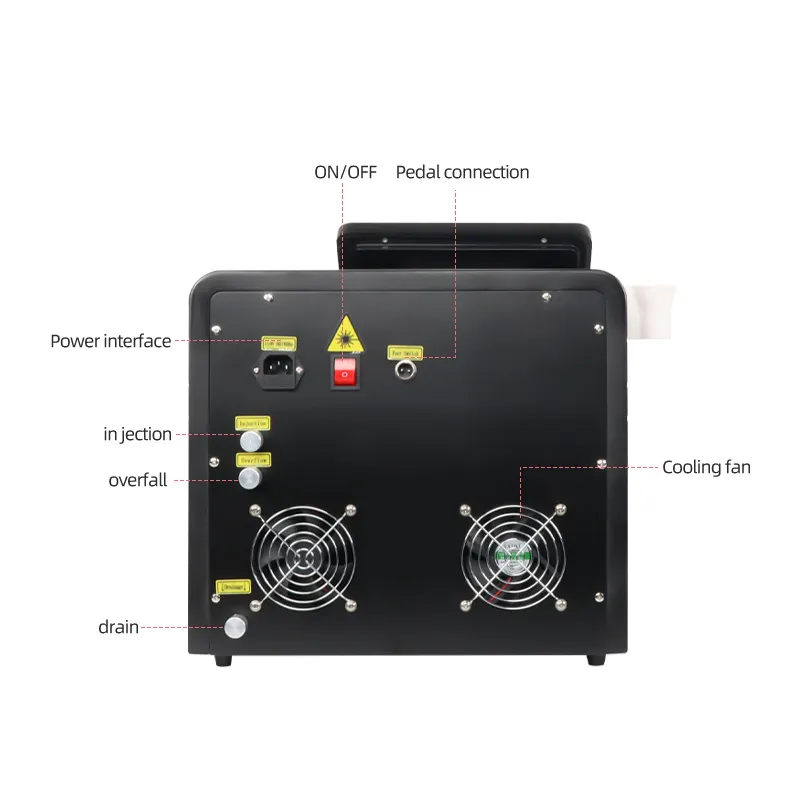
How does laser hair removal work?
The core mechanism of laser hair removal is "selective photothermolysis." The laser hair removal machine emits a high-energy beam of specific wavelengths. This light energy is absorbed by melanin in the hair shaft and follicle. After absorbing the light energy, the melanin converts it into heat energy, raising the temperature and destroying the growth structure of the hair follicle, causing the hair to lose its ability to regrow.
The key points are:
• The laser targets the melanin in the hair follicle;
• The more melanin, the stronger the laser energy absorbed;
• The laser wavelength, pulse duration, and energy density need to be matched to the hair's characteristics.
Therefore, the less melanin in the hair, the less effective the laser will be.
This is the fundamental reason why some types of hair cannot be effectively removed.
Why do some hairs not respond to laser hair removal machines?
Many people find that some hairs seem to show "no change" after using laser hair removal machines. This is not a problem with the equipment, but because the laser "cannot find its target."
The target of laser hair removal is the melanin in the hair follicle. When the pigment content in the hair is extremely low or almost zero, the light energy cannot be absorbed, and therefore, it cannot generate enough heat to destroy the hair follicle.
Simply put, laser hair removal machines only recognize "color."
Black and brown hair works best; the lighter the color, the worse the effect. Especially the following types of hair, which are almost impossible to remove effectively with lasers.
Why can't blonde hair be treated with laser hair removal?
Blonde hair is a classic example of the "difficult-to-treat" type of hair for laser hair removal.
The melanin in blonde hair is primarily pheomelanin, which absorbs laser light much less effectively than eumelanin. When using a laser hair removal machine, most of the energy is reflected or dispersed, rather than concentrated on the hair follicle.
Therefore, even with high-energy devices, it's difficult to generate enough thermal damage to destroy the hair follicle structure.
The result is:
• Hair continues to grow;
• Limited or no hair removal effect;
• Potentially increased risk of uneven skin heating and minor burns.
In short: Blonde hair has too light a pigment for laser hair removal machines to "see."
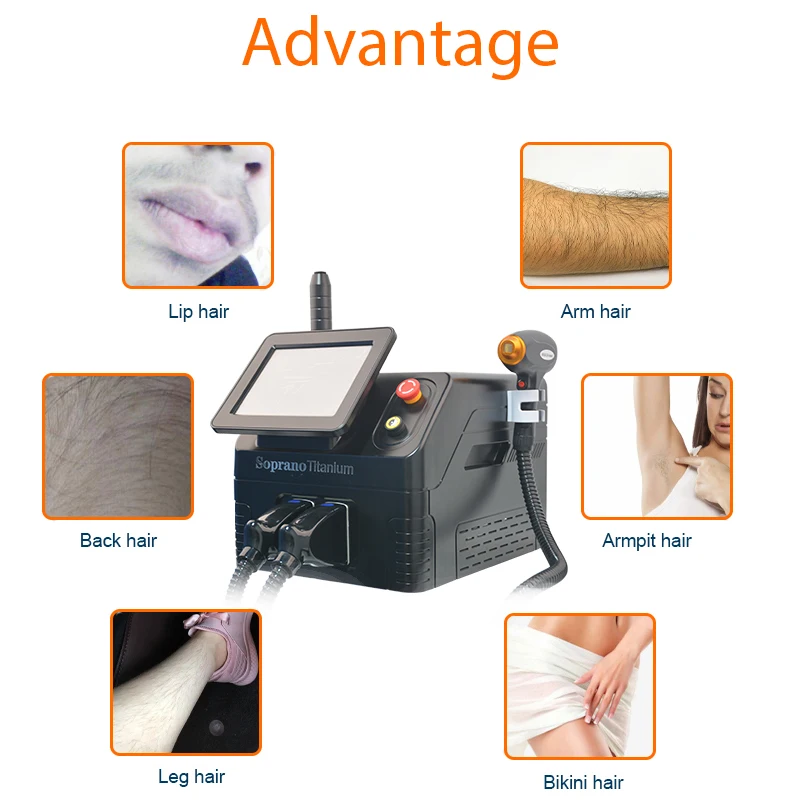
Can't gray or white hair be treated with laser hair removal either?
Yes. Gray and white hair contain almost no melanin, which is the fundamental reason why laser hair removal is ineffective.
As we age, the number of melanin cells in the hair follicles gradually decreases, resulting in gray or white hair. The absence of pigment means the laser has no "target" to strike. Laser energy penetrates the hair follicle and is scattered by the skin, rather than being absorbed by the follicle.
Characteristics of this type of hair include:
• Transparent or light gray hair shaft;
• Extremely low melanin concentration;
• Completely insensitive to lasers.
Therefore, no matter how advanced the medical-grade laser hair removal machine, its effectiveness in treating gray and white hair is very limited.
Currently, effective solutions for this type of hair are mainly mechanical hair removal methods (such as plucking or shaving), rather than lasers.
Can laser hair removal machines be used on red hair?
Red hair is also a "challenging" area for laser hair removal. Although it contains some pigment, the main component is pheomelanin, not the laser-sensitive eumelanin.
During laser irradiation, red hair absorbs light energy inefficiently, and even with increased energy output, it often fails to effectively destroy the hair follicle. Furthermore, uneven energy distribution can lead to side effects such as skin overheating and erythema. Therefore, the hair removal effect on red hair is usually between that of blonde and brown hair. To improve the results, a professional-grade laser hair removal machine with more flexible wavelengths and longer pulse widths is needed, along with multiple treatments, but even then, achieving the desired effect is difficult.
Is laser hair removal suitable for light-colored body hair (such as fine, soft hair, or body hair)?
While light-colored fine hair (such as facial hair or arm hair) contains pigment, its density and concentration are extremely low, resulting in a very weak response to lasers.
When using a laser hair removal machine, this type of hair often cannot absorb enough light energy. The results may include:
• No hair removal;
• Temporary thinning followed by regrowth;
• It may even stimulate surrounding dormant hair follicles, causing new hair growth to be more vigorous.
This is known as "paradoxical hypertrichosis," which is more common in areas with light hair.
Therefore, medical professionals generally do not recommend using laser hair removal machines to treat extremely fine and light body hair.
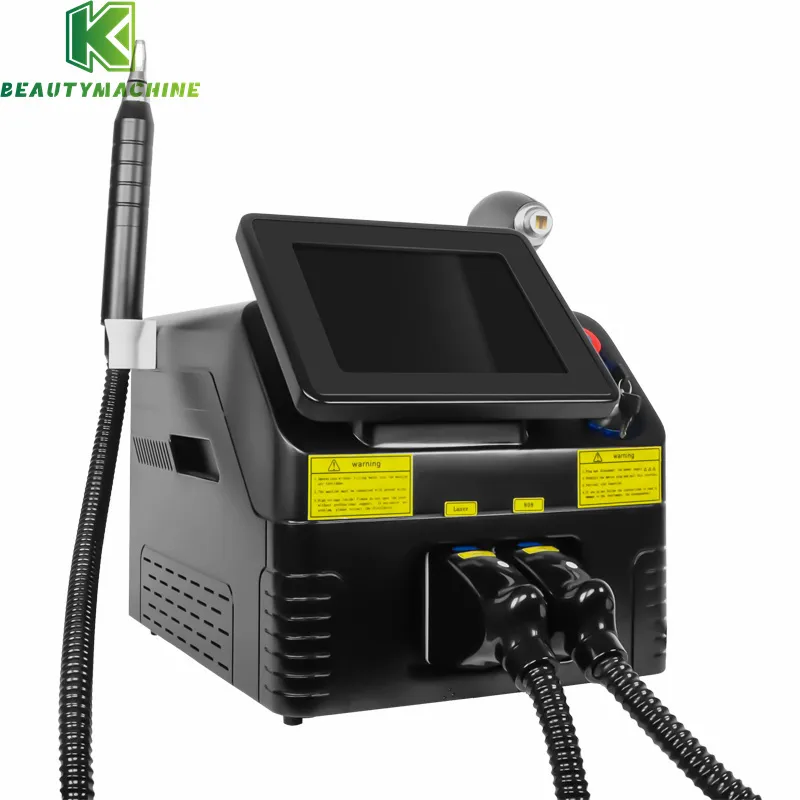
Which skin types affect hair removal results?
While laser hair removal primarily targets hair follicles, skin tone indirectly affects the results.
The wavelengths of laser hair removal machines are designed for melanin to absorb energy. If the skin contains a high amount of melanin (e.g., in people with darker skin tones), the laser energy may be absorbed by the skin rather than the hair follicle, thus:
• Reduced damage to the hair follicle;
• Increased risk of skin burns and pigmentation.
Conversely, if the skin is too light and the hair is too light, the laser hair removal machine may have difficulty identifying the hair follicle.
Therefore, the optimal combination for hair removal is light skin tone + dark hair.
For individuals with dark skin or light hair, doctors need to adjust the wavelength and energy parameters, such as using a 1064nm Nd:YAG laser hair removal machine, to improve safety and selectivity.
Which types of laser hair removal machines are more effective for different types of hair?
There are many types of laser hair removal machines, and different wavelengths have different absorption rates for different types of hair.
Even with the most advanced laser hair removal machines, light-colored hair (such as blonde, gray, and white hair) is still difficult to effectively identify.
This isn't due to insufficient equipment performance, but rather a limitation inherent in the physical principles of laser hair removal.
Does hormone level affect the effectiveness of laser hair removal?
Yes. Hormonal changes can affect the effectiveness of laser hair removal.
Especially in women during puberty, pregnancy, menopause, or when androgen levels are elevated due to conditions such as polycystic ovary syndrome (PCOS), new hair will continuously grow.
Even if the laser hair removal machine destroys existing hair follicles, new follicles may still develop under hormonal stimulation, leading to regrowth of hair in some areas.
This is not because the laser is ineffective, but rather due to physiological mechanisms. Therefore, before undergoing laser hair removal, it's essential to ensure relatively stable endocrine levels for optimal results.
Which types of hair are unsuitable for laser hair removal?
Hair types unsuitable for laser hair removal include:
Blonde hair – low melanin content, poor laser absorption;
Gray hair – almost no pigment, laser cannot detect it;
White hair – no melanin, hair removal machines are ineffective;
Red hair – low absorption rate, insufficient destructive power;
Very light, very fine body hair – laser energy is difficult to concentrate, resulting in weak effects.
Furthermore, a combination of dark skin and light hair can easily lead to an imbalance in energy absorption, thus affecting hair removal results or increasing skin risks.
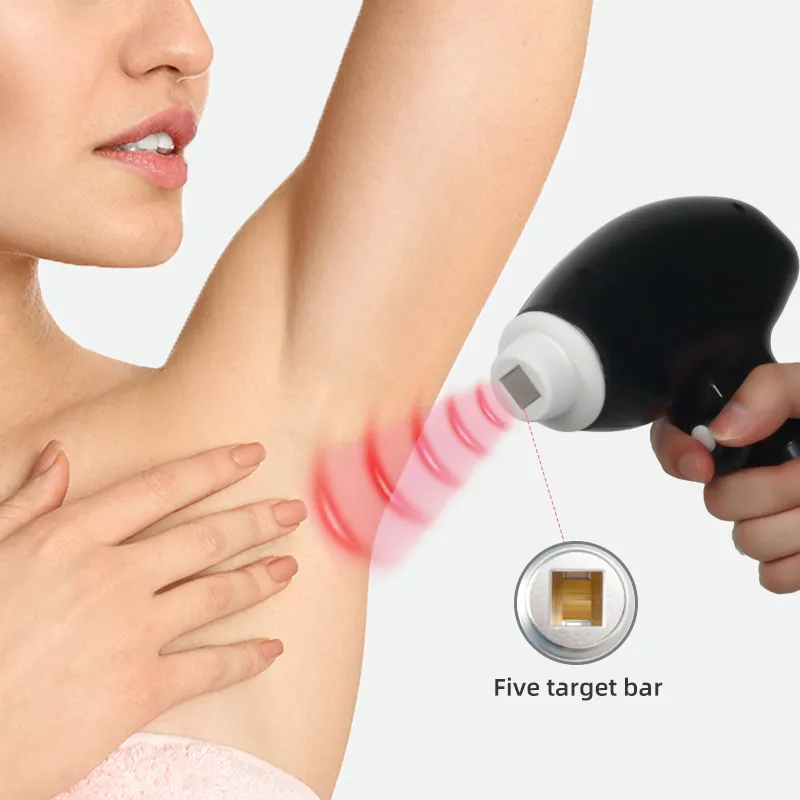
How to choose the right laser hair removal machine?
If your hair color is light or your skin tone is dark, choosing the right device is especially important.
Recommendations:
• Consult a professional doctor to match the device type based on your skin tone and hair color;
• Prioritize Nd:YAG laser hair removal machines (suitable for dark skin) or semiconductor laser hair removal machines (stable energy, controllable wavelength);
• Avoid using high-power devices yourself to prevent skin injury;
• If your hair is white, gray, or blonde, laser hair removal may be less effective; consider physical hair removal methods instead.
Does KuoHai offer private label beauty machines?
Yes, KuoHai specializes in private label and OEM beauty equipment manufacturing. Clients can customize laser hair removal machines, EMS muscle stimulators, RF devices, and cavitation machines with their own brand identity. Our China factory supports logo printing, interface customization, and packaging design. As a professional supplier, we provide factory quotes, wholesale prices, and flexible purchasing solutions to help brands enter the beauty market efficiently.
Related News
More >-
![Do electronic muscle stimulators actually work?]()
Do electronic muscle stimulators actually work?
EMS devices work by sending electrical impulses through the skin, offering benefits such as helping to repair tissue and strengthen muscles. Most EMS muscle tone users notice decreased muscle fatigue during daily activities after 2–3 weeks. Visible muscle definition improvements typically appear after 6–8 weeks of consistent EMS muscle tone use.
-
![Is Hydrodermabrasion Suitable for Oily Skin?]()
Is Hydrodermabrasion Suitable for Oily Skin?
Very suitable, but it must be done correctly and gently, with the intensity adjusted according to skin tolerance. Since oily skin is often accompanied by acne scars and minor acne marks, the hydrodermabrasion facial machine can also help: • Reduce minor acne scars • Reduce fine lines • Improve dull skin tone
-
![Does Cryolipolysis Increase Bowel Movements?]()
Does Cryolipolysis Increase Bowel Movements?
During cryolipolysis, a cryolipolysis slimming machine is used to cool fat cells to near freezing point, causing excessive fat cells to undergo irreversible apoptosis. The apoptotic fat cells are then naturally transported and broken down by the body through the lymphatic system and ultimately eliminated through metabolism.
-
![What are the Pros and Cons of a vacuum butt lift machine?]()
What are the Pros and Cons of a vacuum butt lift machine?
Main Advantages • Non-invasive, high safety • Simple operation, no recovery period • Improves local circulation • Enhances buttock fullness etc. Main Disadvantages • Effects are not long-lasting, requiring multiple treatments • Cannot change bone or muscle structure • May cause minor bruising etc.
-
![Does Hydrodermabrasion Require Needles?]()
Does Hydrodermabrasion Require Needles?
Hydrodermabrasion does not require needles at all. Modern hydrodermabrasion uses a combination of professional tools, water, and serum, paired with an advanced hydrodermabrasion facial machine. The entire treatment is completed through water rinsing, negative pressure suction, and simultaneous infusion of repairing ingredients.
-
![How Long Should the Interval Be Between Hydrodermabrasion Treatments?]()
How Long Should the Interval Be Between Hydrodermabrasion Treatments?
The professional recommendation of 3-4 weeks is because: The skin's natural renewal cycle is approximately 28 days. Hydrating facials use a hydrodermabrasion facial machine to remove dead skin cells, so the skin must have sufficient time to regenerate a new stratum corneum before the next treatment.
-
![What happens if you don't exfoliate after laser hair removal?]()
What happens if you don't exfoliate after laser hair removal?
If you don't exfoliate after laser hair removal, dead skin cells will accumulate in the treated area, hindering hair removal and potentially even affecting skin health.
-
![How to Prepare for Hydrodermabrasion?]()
How to Prepare for Hydrodermabrasion?
• Stop using acid-based products and strong skincare products 3–5 days in advance • On the day of your treatment, keep your skin gently clean and without makeup • Avoid sun exposure and prolonged exposure to high temperatures • Sensitive skin requires extra caution • The more stable your skin is before the treatment, the better the hydrodermabrasion facial machine will perform.
Get the latest price? We'll respond as soon as possible(within 12 hours)