



What happens if you don't exfoliate after laser hair removal?
2026-02-27 15:30
In modern beauty care, laser hair removal has become one of the most popular hair removal methods. Many people have successfully reduced body hair and achieved smooth, delicate skin by using laser hair removal machines. However, skin care doesn't end after laser hair removal. One often overlooked but crucial step is exfoliation.
Many people ask after laser hair removal:
"Do I need to exfoliate?"
"What will happen if I don't exfoliate? Will it affect the hair removal results?"
The answer is: Yes.
If you don't exfoliate after laser hair removal, dead skin cells will accumulate in the treated area, hindering hair removal and potentially even affecting skin health. This article will systematically analyze the reasons, mechanisms, and correct aftercare methods.
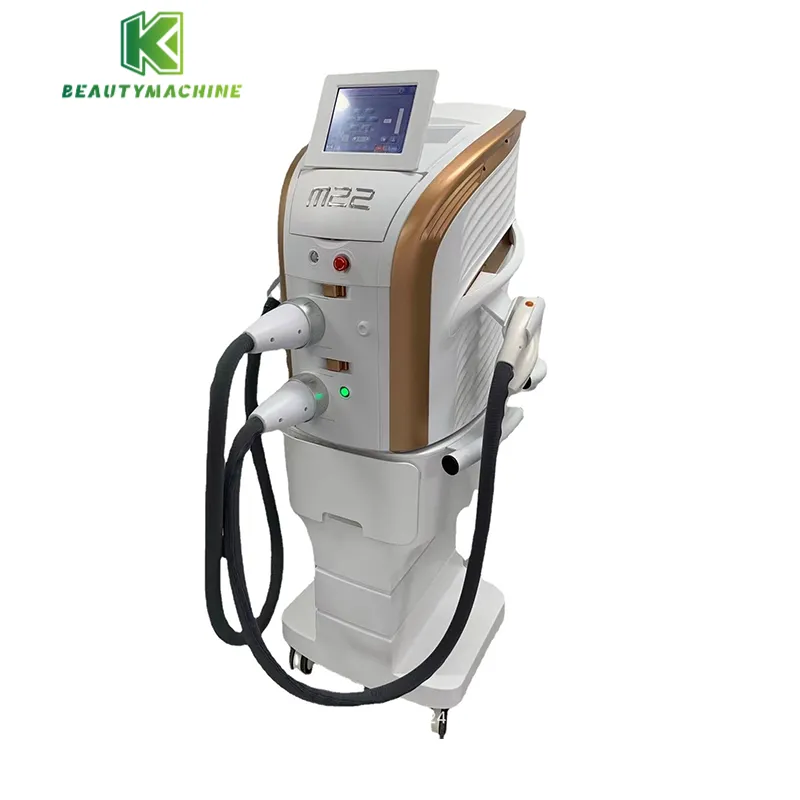
Laser Hair Removal: Why Doesn't Hair Fall Out Instantly?
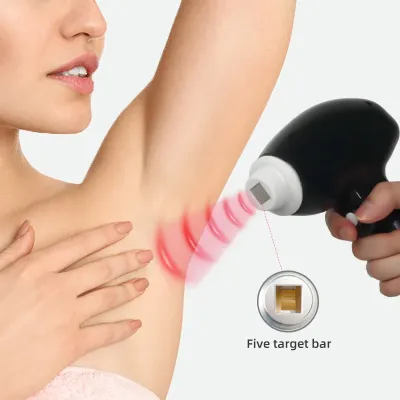
Laser hair removal is based on the principle of selective photothermolysis, which means:
• The laser hair removal machine emits laser light of a specific wavelength;
• The melanin in the hair absorbs the light energy and converts it into heat energy;
• The heat destroys the hair follicle, blocking the hair's ability to grow.
However, the hair does not immediately "disappear" after treatment. After laser irradiation, the hair follicle is destroyed, and the hair will gradually fall out over 7-14 days.
During this period, some dead hair remains "stuck" in the skin's surface. If the stratum corneum is thick or has accumulated a large number of dead skin cells, it may hinder the natural removal of these hairs.
Will not exfoliating affect the effectiveness of laser hair removal?
The short answer is: Yes.
The main task of the laser hair removal machine is to destroy the hair follicle, and "hair loss" is one of the resulting processes.
If exfoliation is not performed, the following adverse effects may occur:
1. Obstructed hair loss
After laser irradiation, the hair follicle is destroyed, but the hair remains in the skin. At this time, an excessively thick stratum corneum or a buildup of dead skin can make it difficult for these hairs to be removed smoothly.
The result is:
• Hair is "trapped" under the skin;
• It appears as if the hair is still growing;
• The hair removal effect is mistakenly perceived as "incomplete."
This type of "trapped hair" phenomenon is very common, especially on areas with thicker stratum corneum such as the calves and arms.
2. Rough Skin Surface and Clogged Pores
Not exfoliating allows dead skin to accumulate at the hair follicle openings, causing blockages.
Over time, these blockages can make the skin rough, dull, and even induce "follicular keratosis." During subsequent laser hair removal treatments, the energy is also blocked by the stratum corneum, thus affecting the laser's penetration efficiency.
3. Impact on Skin Metabolism and Smoothness
After laser hair removal, the skin enters a repair period, and old cells should be naturally renewed. If the stratum corneum hinders this renewal process, the skin surface will appear dull, dry, and have a poorer feel.
The smooth feeling after hair removal actually depends on the dual effects of hair follicle recovery and skin renewal, and thick keratinocytes disrupt this balance.
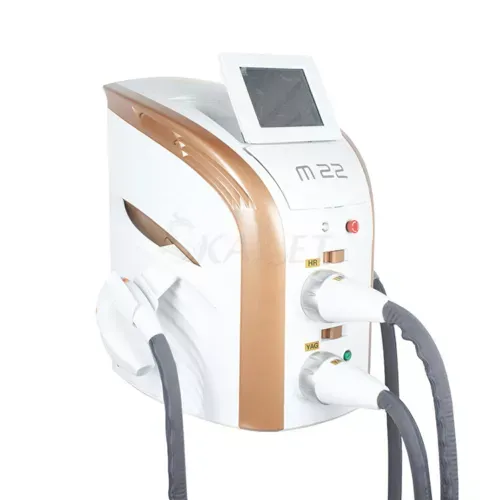
Why does skin tend to accumulate more dead skin cells after laser hair removal?
After using a laser hair removal machine, the skin experiences a mild stress response.
The hair follicles are damaged by heat, causing the surrounding skin to feel slightly dry, tight, or red. In this state, the skin's stratum corneum metabolism temporarily slows down, leading to:
• Accelerated aging of surface cells: High-temperature exposure causes some skin cells to die;
• Increased moisture loss: Dry skin causes keratinocytes to lose elasticity;
• Increased dead skin buildup: The natural renewal rate slows down.
If gentle exfoliation is not performed at this time, the stratum corneum will continue to accumulate, forming a "barrier" that not only hinders hair removal but also impedes skin recovery.
What skin problems might occur if exfoliation is not performed?
Not exfoliating after laser hair removal may seem harmless in the short term, but it can lead to several long-term problems:
1. Ingrown Hair
When hair loss is obstructed, it may become trapped under the stratum corneum, curving inwards and forming ingrown hair.
This not only affects appearance but can also cause:
• Localized redness and swelling;
• Folliculitis;
• Small bumps or stinging sensations.
This problem is more likely to occur if the skin's stratum corneum is not properly cleaned after laser hair removal, as the laser hair removal machine destroys the hair follicle.
2. Rough and Dull Skin
A layer of dead skin prevents light from reflecting evenly, causing the skin to lose its luster.
If exfoliation is not done promptly after hair removal, skin that should be smooth and delicate will become dull, rough, and appear "grayish."
3. Limited Absorption of Skincare Products
Repairing moisturization is necessary after laser hair removal, but if the stratum corneum is thick, even the most expensive repair serums and aloe vera gels will have difficulty penetrating.
This not only wastes skincare products but also delays the skin's repair cycle.
Does exfoliation help hair fall out faster?
Yes, scientific and moderate exfoliation can significantly promote the hair removal process after laser hair removal.
The specific mechanisms are as follows:
• Exfoliation removes surface dead skin, releasing trapped hair;
• Promotes unobstructed hair follicle openings, allowing weakened hair to fall out naturally;
• Accelerates skin metabolism, helping to repair the epidermis after heat exposure;
• Creates a cleaner skin environment for subsequent laser hair removal machine treatments, improving energy absorption efficiency.
Therefore, "exfoliation" after laser hair removal is actually an important part of the entire hair removal cycle, not an optional additional step.
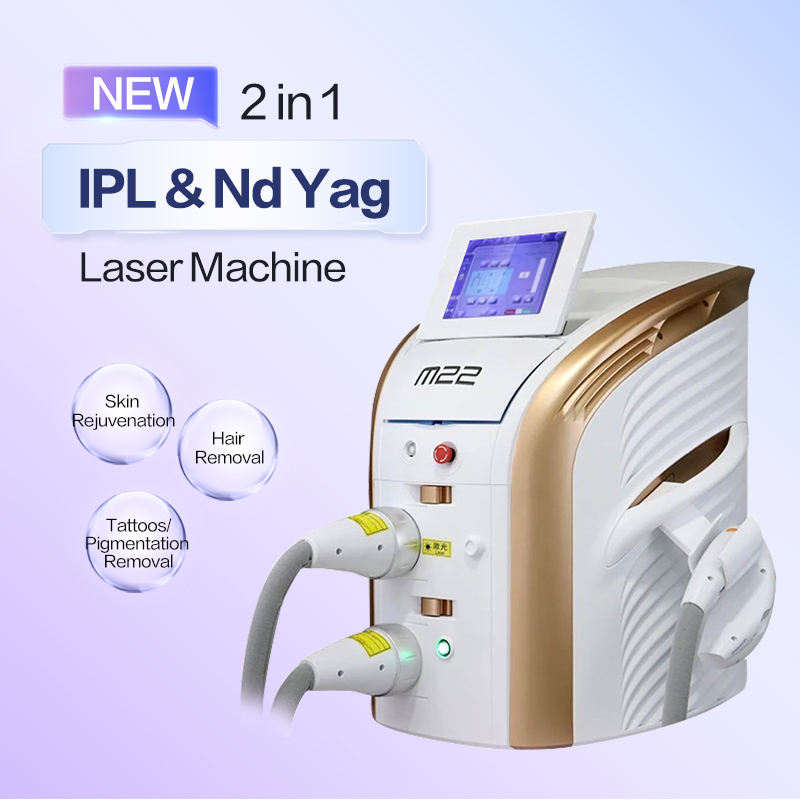
Will not exfoliating affect the next laser hair removal treatment?
The answer is yes.
When the stratum corneum (outermost layer of skin) accumulates excessively, it can negatively impact subsequent laser treatments in the following ways:
• Affects laser penetration depth: The buildup of dead skin cells reflects some laser energy, preventing the laser from effectively reaching the hair follicles;
• Causes uneven energy distribution: Some areas absorb insufficient energy, resulting in incomplete follicle destruction;
• Increases skin surface temperature: Laser energy is trapped by the stratum corneum, making the skin more prone to burning or redness.
Therefore, proper exfoliation not only improves skin texture after treatment but also enhances the efficiency and safety of subsequent laser treatments.
What are the correct exfoliation methods after laser hair removal?
To effectively remove dead skin cells without irritating the skin, the following methods are recommended:
1. Gentle Chemical Exfoliation
Use products containing fruit acids (AHAs), lactic acid, or enzymes to gently dissolve dead skin cells without friction.
2. Gentle Physical Exfoliation
If the skin has fully recovered, gently massage in circular motions with a soft towel or sponge. Avoid using abrasive scrubs.
3. Follow with Moisturizing and Repairing
Immediately after exfoliation, use a moisturizing product such as aloe vera gel, hyaluronic acid serum, or a repairing lotion to help restore the skin's moisture barrier.
4. Avoid Over-Exfoliation
After each laser hair removal session, exfoliate no more than twice a week to prevent damage to the skin barrier.
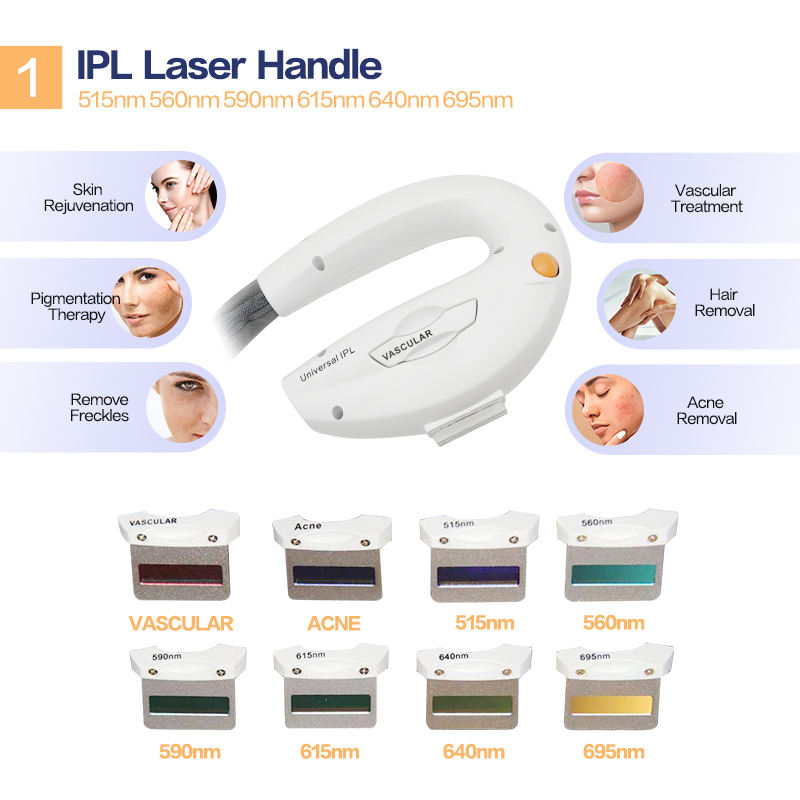
What Happens If You Don't Exfoliate After Laser Hair Removal?
The direct consequence of not exfoliating is a significant reduction in the effectiveness of laser hair removal.
The accumulation of dead skin cells on the skin surface can lead to:
• Obstructed hair removal;
• Clogged pores;
• Dull and rough skin;
• Folliculitis or ingrown hairs.
From a cosmetic perspective, this will make the final result of laser hair removal appear "unclean and incomplete."
From a physiological perspective, this will affect skin metabolism and healthy repair.
Proper exfoliation can:
• Accelerate natural hair loss;
• Improve skin smoothness;
• Prepare the skin for subsequent treatments;
• Enhance the energy penetration efficiency of laser hair removal machines.
What is KuoHai’s long-term vision in the beauty equipment industry?
KuoHai’s vision is to become a globally recognized beauty equipment manufacturer by delivering high-quality, affordable, and innovative products. We focus on continuous improvement of laser hair removal machines, EMS muscle stimulators, cavitation machines, and fat freezing systems. As a trusted China supplier, we aim to build long-term partnerships through factory-direct pricing, professional service, and consistent product quality.
Related News
More >-
![Do electronic muscle stimulators actually work?]()
Do electronic muscle stimulators actually work?
EMS devices work by sending electrical impulses through the skin, offering benefits such as helping to repair tissue and strengthen muscles. Most EMS muscle tone users notice decreased muscle fatigue during daily activities after 2–3 weeks. Visible muscle definition improvements typically appear after 6–8 weeks of consistent EMS muscle tone use.
-
![Is Hydrodermabrasion Suitable for Oily Skin?]()
Is Hydrodermabrasion Suitable for Oily Skin?
Very suitable, but it must be done correctly and gently, with the intensity adjusted according to skin tolerance. Since oily skin is often accompanied by acne scars and minor acne marks, the hydrodermabrasion facial machine can also help: • Reduce minor acne scars • Reduce fine lines • Improve dull skin tone
-
![Does Cryolipolysis Increase Bowel Movements?]()
Does Cryolipolysis Increase Bowel Movements?
During cryolipolysis, a cryolipolysis slimming machine is used to cool fat cells to near freezing point, causing excessive fat cells to undergo irreversible apoptosis. The apoptotic fat cells are then naturally transported and broken down by the body through the lymphatic system and ultimately eliminated through metabolism.
-
![What are the Pros and Cons of a vacuum butt lift machine?]()
What are the Pros and Cons of a vacuum butt lift machine?
Main Advantages • Non-invasive, high safety • Simple operation, no recovery period • Improves local circulation • Enhances buttock fullness etc. Main Disadvantages • Effects are not long-lasting, requiring multiple treatments • Cannot change bone or muscle structure • May cause minor bruising etc.
-
![Does Hydrodermabrasion Require Needles?]()
Does Hydrodermabrasion Require Needles?
Hydrodermabrasion does not require needles at all. Modern hydrodermabrasion uses a combination of professional tools, water, and serum, paired with an advanced hydrodermabrasion facial machine. The entire treatment is completed through water rinsing, negative pressure suction, and simultaneous infusion of repairing ingredients.
-
![How Long Should the Interval Be Between Hydrodermabrasion Treatments?]()
How Long Should the Interval Be Between Hydrodermabrasion Treatments?
The professional recommendation of 3-4 weeks is because: The skin's natural renewal cycle is approximately 28 days. Hydrating facials use a hydrodermabrasion facial machine to remove dead skin cells, so the skin must have sufficient time to regenerate a new stratum corneum before the next treatment.
-
![How to Prepare for Hydrodermabrasion?]()
How to Prepare for Hydrodermabrasion?
• Stop using acid-based products and strong skincare products 3–5 days in advance • On the day of your treatment, keep your skin gently clean and without makeup • Avoid sun exposure and prolonged exposure to high temperatures • Sensitive skin requires extra caution • The more stable your skin is before the treatment, the better the hydrodermabrasion facial machine will perform.
-
![What types of hair cannot be treated with laser hair removal?]()
What types of hair cannot be treated with laser hair removal?
Even with the most advanced laser hair removal machines, light-colored hair (such as blonde, gray, and white hair) is still difficult to effectively identify. This isn't due to insufficient equipment performance, but rather a limitation inherent in the physical principles of laser hair removal.
Get the latest price? We'll respond as soon as possible(within 12 hours)