



What happens if I don't shave before laser hair removal?
2026-02-23 15:30
In modern cosmetic medicine, laser hair removal has become one of the most popular permanent hair removal technologies. It precisely targets hair follicles, safely and effectively reducing body hair growth.
However, many first-time patients often wonder:
"Can I have laser hair removal without shaving?"
"Does longer hair make it easier for the laser hair removal machine to find the hair follicle?"
"Will treatment be more effective without shaving?"
Actually, this is a common but dangerous misconception.
Not shaving before laser hair removal directly affects the safety and effectiveness of the treatment.
This article will systematically explain why "shaving before treatment" is a crucial step in laser hair removal, covering scientific principles, energy absorption mechanisms, skin reactions, potential complications, and proper preparation procedures.
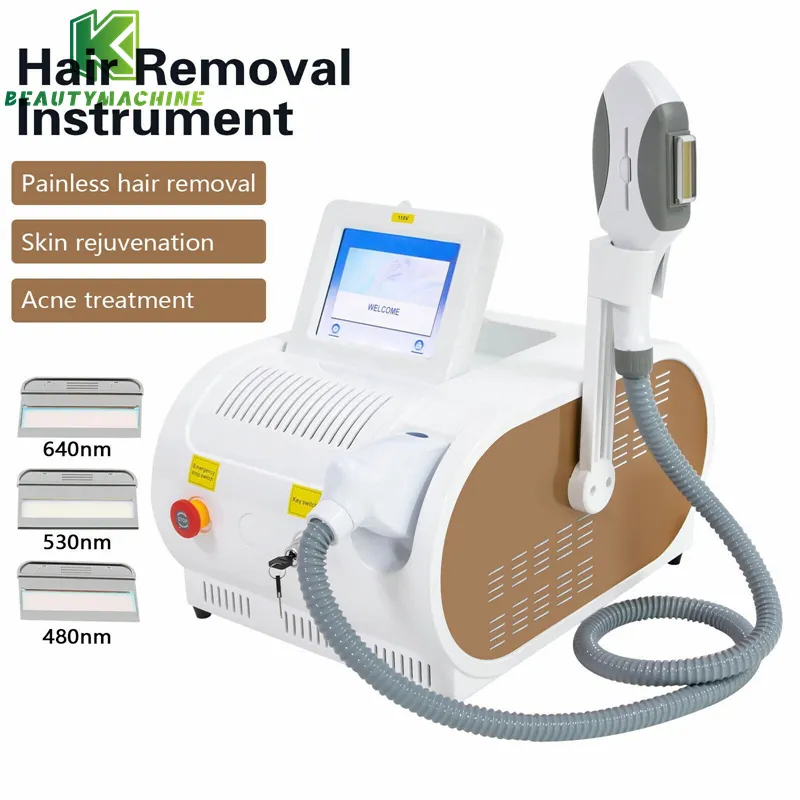
How does a laser hair removal machine work?
The core principle of laser hair removal is selective photothermolysis.
Laser hair removal machines emit beams of specific wavelengths (such as 755nm, 808nm, and 1064nm) that are selectively absorbed by melanin in the hair follicle.
This process involves three key steps:
• Laser energy is conducted through the skin surface;
• Melanin absorbs the light energy and converts it into heat;
• The heat concentrates in the hair follicle, destroying follicle stem cells and inhibiting hair regrowth.
Therefore, the target of a laser hair removal machine is the "hair follicle," not the hair itself.
If the hair is not shaved before treatment, the surface hair will absorb too much energy, affecting the laser's penetration to the deeper layers of the hair follicle.
What happens if you don't shave before laser hair removal?
1. Laser energy is absorbed by the hair shaft, reducing effectiveness
The laser beam emitted by the laser hair removal machine is preferentially absorbed by melanin.
If the surface hair is long, these hair shafts will absorb the laser energy first, leading to:
• Insufficient energy in the deeper layers of the hair follicle;
• Reduced laser penetration;
• Significantly weakened hair removal effect.
In layman's terms, the energy that should have "hit the hair follicle" is "intercepted" by the surface hair.
2. Heat concentrated on the skin surface increases the risk of burns
If the laser energy is absorbed by the surface hair, the risk of complications increases significantly.
Excessive heat that cannot penetrate can lead to:
• Overheating of the skin surface;
• Burning or stinging sensation;
• Erythema or pigmentation;
• Even minor burns, leaving marks.
Especially in areas with thin skin and dense hair, such as the underarms and bikini line, the probability of burns is even higher if not shaved.
3. Surface hair is "instantly burned," producing odor and smoke
Without shaving, the high-energy laser of a laser hair removal machine can instantly burn the hair shaft, releasing a burnt odor and even producing slight smoke.
This not only causes discomfort but also means that energy is wasted in ineffective areas.
4. Uneven laser spot distribution affects overall treatment
Long hair can lead to less tight contact between the laser probe and the skin surface, resulting in uneven laser spot distribution.
This can cause "partial hair removal, partial regrowth," affecting aesthetics.
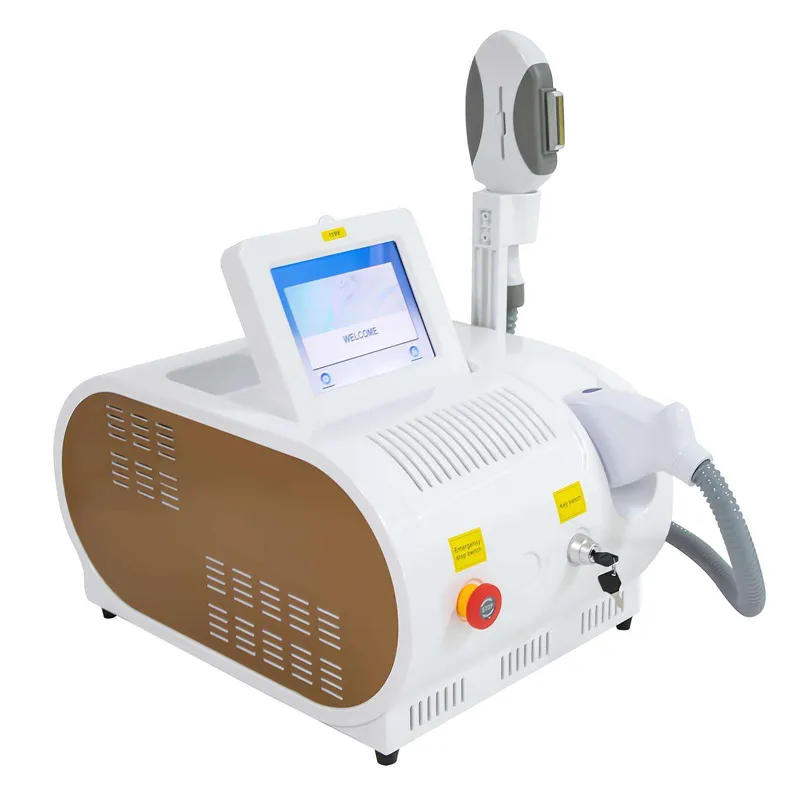
Why do laser hair removal machines require short hair?
Before a standard laser hair removal treatment, doctors usually require patients to shave within 24 hours.
The scientific basis for this includes:
• Maintaining energy concentration: Short hair reduces surface absorption, allowing laser energy to be more precisely delivered to the hair follicle.
• Reducing skin heat load: Shaving allows for faster heat dissipation, reducing the risk of burns.
• Improving laser coupling efficiency: A clean shave ensures closer contact between the skin and the laser hair removal machine probe, resulting in more even light distribution.
• Facilitating observation of treatment response: A hairless surface allows doctors to observe skin reactions and adjust energy parameters.
In other words, shaving is not just a formality, but a necessary prerequisite for the safety and effectiveness of laser hair removal.
Why do some people believe that "longer hair absorbs laser better"?
This is a common misconception. Many people believe that "the longer the hair, the more laser energy it absorbs, and the stronger the hair removal effect."
However, from an energy conduction perspective, this is actually incorrect.
Laser hair removal machines transfer energy vertically from the surface layer to the deep layers of the hair follicle.
When the surface hair is too long, most of the laser energy is absorbed and reflected by the hair shaft, resulting in:
• Burns to the skin from surface heat;
• Insufficient thermal stimulation to the hair follicle;
• Ineffective treatment or increased pain.
Therefore, the optimal state is "short hair with the hair root intact."
What complications can occur with laser hair removal without shaving?
Ignoring the shaving step can lead to the following adverse reactions:
• Skin burns: Excessive heat absorption by the hair shaft causes the skin surface temperature to become too high;
• Redness and stinging: Heat concentrated on the surface causes a temporary inflammatory response;
• Folliculitis: Burnt hair residue clogs pores, inducing bacterial infection;
• Hyperpigmentation: Heat stimulation causes compensatory melanin deposition;
• Spots or blisters: Uneven energy distribution causes local tissue damage.
While these symptoms are not life-threatening, they can significantly impact the treatment experience and skin condition.
Can laser hair removal machines "automatically ignore surface hair"?
Some believe that high-end laser hair removal machines can intelligently identify hair depth, acting only on the hair follicle without damaging the surface.
However, current laser physics does not possess this "selective shielding ability."
No matter how advanced the equipment (such as diode lasers, Alexander Grail lasers, Nd:YAG lasers), as long as hair is present, the laser will still be preferentially absorbed by surface melanin.
Therefore, the shaving step cannot be completely replaced by technology.
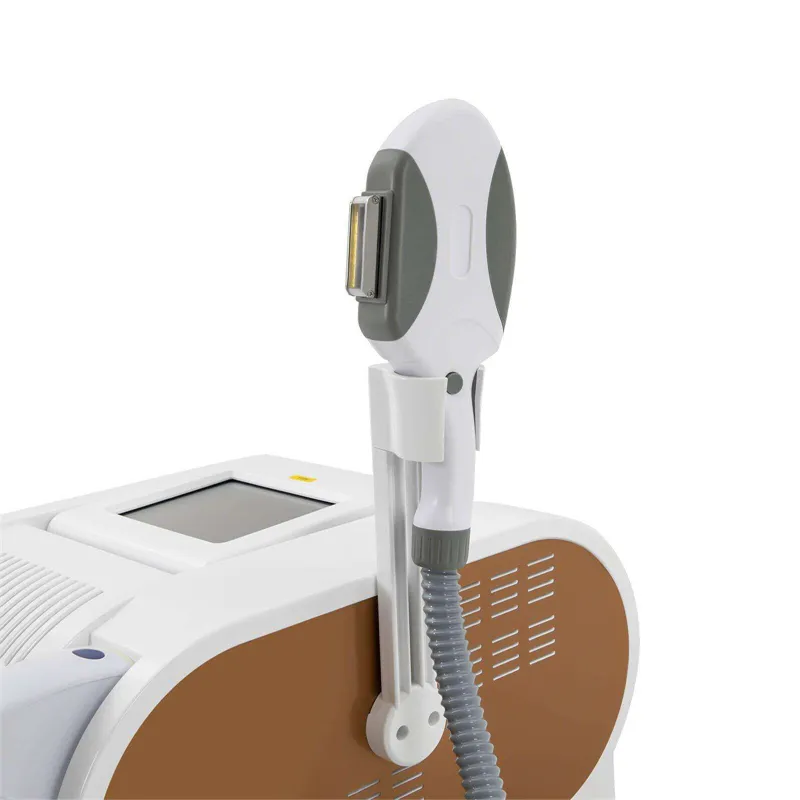
The Correct Method and Timing of Shaving
To ensure safety and effectiveness, it is recommended to shave 24 hours before laser hair removal to allow the skin time to recover.
✅ Correct Shaving Steps:
• Use a clean, sharp razor or electric shaver;
• Shave in the direction of hair growth, avoiding backshaving;
• Use a gentle moisturizing lotion after shaving, avoiding irritating products containing alcohol;
• Keep skin clean and dry to prevent bacterial growth.
❌ Not Recommended Practices:
• Using depilatory cream (may irritate the skin);
• Plucking hairs with tweezers (disrupts the hair follicle cycle);
• Performing laser treatment immediately after shaving (before the skin has recovered).
What if I forget to shave? Can it be done on the spot?
In reputable clinics, doctors usually provide a pre-treatment shaving service if a customer forgets to shave.
However, if time is limited or the shaving is incomplete, it will still affect the treatment results.
Some laser hair removal machines use high-energy conditions on undone areas, which may cause localized burning or even minor skin damage. Therefore, the safest approach is to shave at home beforehand to avoid last-minute adjustments.
Why is skin care before and after laser hair removal equally important?
Regardless of whether you shave or not, your skin condition directly affects laser energy conduction and recovery speed.
Before treatment:
• Avoid sun exposure to prevent uneven energy absorption;
• Do not use antiperspirants, deodorants, or oil-based skincare products;
• Keep skin dry and clean.
After treatment:
• Avoid hot baths and high-temperature environments for 24 hours;
• Use a soothing and repairing gel (aloe vera gel or medical-grade soothing lotion);
• Avoid scratching, rubbing, or using perfumes.
Although laser hair removal machines are generally safe, proper skin care is still necessary to ensure safe hair removal without causing darkening or skin damage.
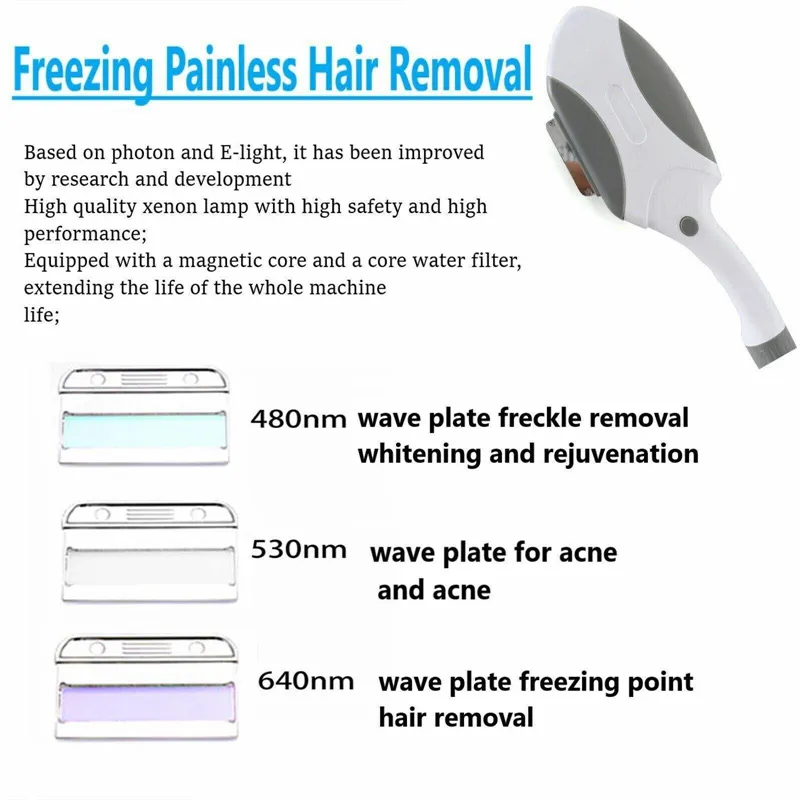
What industries does KuoHai serve with its beauty machines?
KuoHai serves beauty salons, clinics, fitness centers, online retailers, and personal care markets. Our EMS body sculpting machines, ultrasonic cavitation devices, laser hair removal systems, and RF beauty equipment are widely used across industries. As a China factory and wholesale supplier, we provide reliable products, competitive prices, and customized solutions for diverse business needs.
Related News
More >-
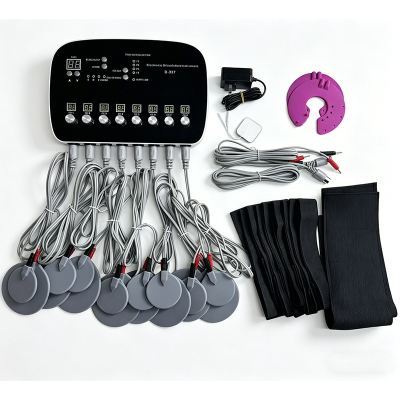
![Do electronic muscle stimulators actually work?]()
Do electronic muscle stimulators actually work?
EMS devices work by sending electrical impulses through the skin, offering benefits such as helping to repair tissue and strengthen muscles. Most EMS muscle tone users notice decreased muscle fatigue during daily activities after 2–3 weeks. Visible muscle definition improvements typically appear after 6–8 weeks of consistent EMS muscle tone use.
-
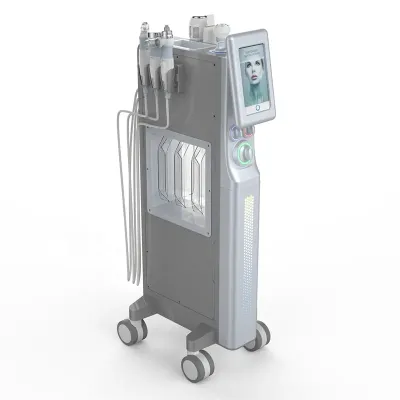
![Is Hydrodermabrasion Suitable for Oily Skin?]()
Is Hydrodermabrasion Suitable for Oily Skin?
Very suitable, but it must be done correctly and gently, with the intensity adjusted according to skin tolerance. Since oily skin is often accompanied by acne scars and minor acne marks, the hydrodermabrasion facial machine can also help: • Reduce minor acne scars • Reduce fine lines • Improve dull skin tone
-
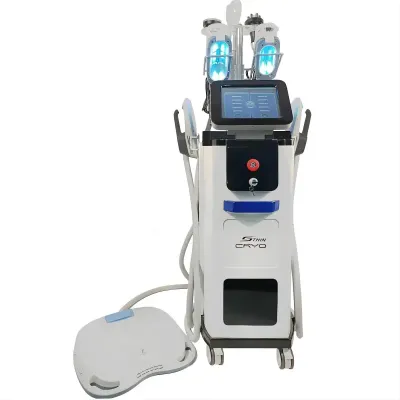
![Does Cryolipolysis Increase Bowel Movements?]()
Does Cryolipolysis Increase Bowel Movements?
During cryolipolysis, a cryolipolysis slimming machine is used to cool fat cells to near freezing point, causing excessive fat cells to undergo irreversible apoptosis. The apoptotic fat cells are then naturally transported and broken down by the body through the lymphatic system and ultimately eliminated through metabolism.
-
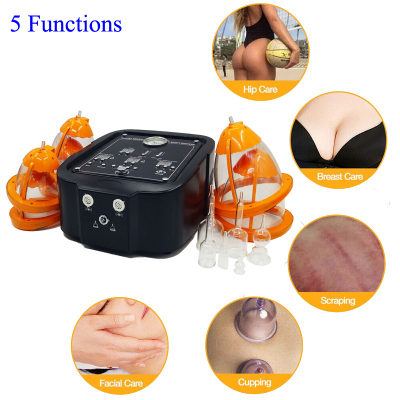
![What are the Pros and Cons of a vacuum butt lift machine?]()
What are the Pros and Cons of a vacuum butt lift machine?
Main Advantages • Non-invasive, high safety • Simple operation, no recovery period • Improves local circulation • Enhances buttock fullness etc. Main Disadvantages • Effects are not long-lasting, requiring multiple treatments • Cannot change bone or muscle structure • May cause minor bruising etc.
-
![Does Hydrodermabrasion Require Needles?]()
Does Hydrodermabrasion Require Needles?
Hydrodermabrasion does not require needles at all. Modern hydrodermabrasion uses a combination of professional tools, water, and serum, paired with an advanced hydrodermabrasion facial machine. The entire treatment is completed through water rinsing, negative pressure suction, and simultaneous infusion of repairing ingredients.
-
![How Long Should the Interval Be Between Hydrodermabrasion Treatments?]()
How Long Should the Interval Be Between Hydrodermabrasion Treatments?
The professional recommendation of 3-4 weeks is because: The skin's natural renewal cycle is approximately 28 days. Hydrating facials use a hydrodermabrasion facial machine to remove dead skin cells, so the skin must have sufficient time to regenerate a new stratum corneum before the next treatment.
-
![What happens if you don't exfoliate after laser hair removal?]()
What happens if you don't exfoliate after laser hair removal?
If you don't exfoliate after laser hair removal, dead skin cells will accumulate in the treated area, hindering hair removal and potentially even affecting skin health.
-
![How to Prepare for Hydrodermabrasion?]()
How to Prepare for Hydrodermabrasion?
• Stop using acid-based products and strong skincare products 3–5 days in advance • On the day of your treatment, keep your skin gently clean and without makeup • Avoid sun exposure and prolonged exposure to high temperatures • Sensitive skin requires extra caution • The more stable your skin is before the treatment, the better the hydrodermabrasion facial machine will perform.


Get the latest price? We'll respond as soon as possible(within 12 hours)