



How Long Should You Avoid Sweating After Laser Hair Removal?
2026-01-14 15:30
Laser hair removal is a medical cosmetic procedure that uses photothermal energy to destroy hair follicles. With the increasing availability of professional beauty salons and home beauty devices, more and more people are choosing laser hair removal machines to achieve long-term smooth skin. However, many people are advised by their doctors or operators after laser hair removal treatment to "avoid sweating in the near future."
So, why should you avoid sweating after laser hair removal? How long should you avoid it? If you sweat, will it affect the treatment results or cause skin problems? This article will answer these common questions in detail from the perspectives of skin physiology, the mechanism of laser action, post-treatment repair principles, and scientific care.
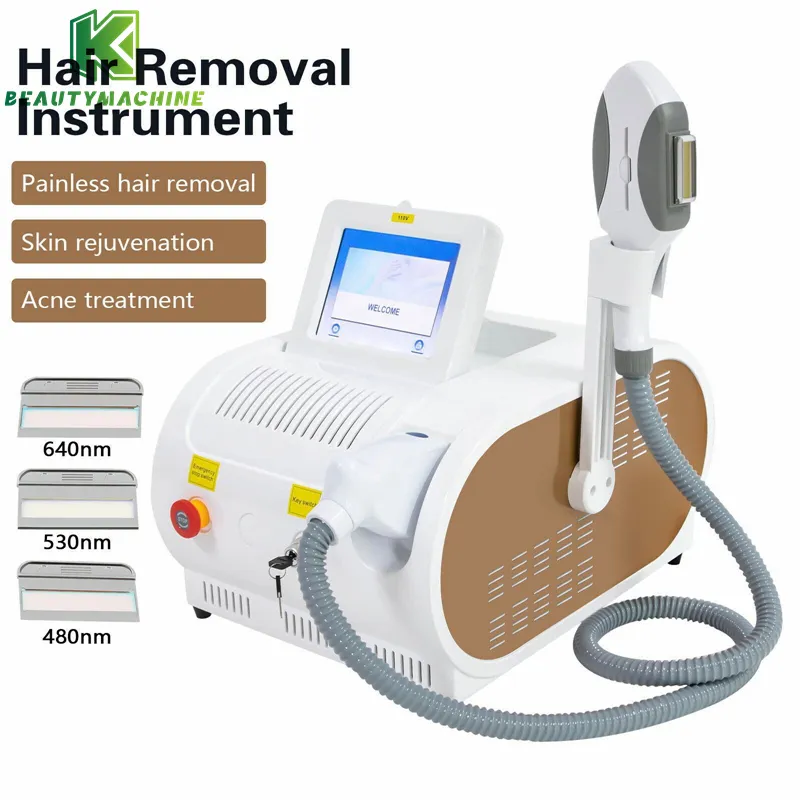
Why Should You Avoid Sweating After Laser Hair Removal?
Laser hair removal machines emit high-energy beams of specific wavelengths (such as 755nm, 808nm, or 1064nm), which are absorbed by the melanin in the hair follicles and converted into heat energy, thereby destroying the hair follicle's ability to grow. During this process, the tissue surrounding the hair follicle is also subjected to a certain degree of thermal stimulation, leading to a mild inflammatory response and temporary damage to the skin barrier.
In this state, the skin is in a relatively "vulnerable period." If you sweat profusely after laser hair removal, the salt, metabolites, and bacteria in the sweat can irritate your pores, leading to the following problems:
• Folliculitis: Sweat clogs pores and introduces bacteria, causing rashes and papules;
• Prolonged inflammation: Heat and humidity exacerbate skin congestion, prolonging the recovery period;
• Stinging and itching: Salt in sweat comes into contact with the micro-wounded skin, causing a stinging sensation;
• Risk of pigmentation: Friction or sweating before the inflammation stabilizes may lead to localized pigmentation.
Therefore, "avoiding sweating" after laser hair removal is not superfluous cosmetic advice, but a crucial step in ensuring safe skin recovery and maintaining the effectiveness of hair removal.
How long should you avoid sweating after laser hair removal?
1. General recommendation: Avoid sweating for at least 24-48 hours
Most dermatologists and medical aesthetic guidelines recommend:
After using a laser hair removal machine, avoid any activity that causes sweating for at least 24 to 48 hours.
This is because in the 1-2 days following treatment:
• Hair follicles are still in a state of heat damage;
• The skin barrier has not fully recovered;
• Tiny pores are still open;
• The skin's immune barrier function is reduced.
Sweating during this period may allow bacteria, salt, and dust to enter the hair follicle openings, increasing the risk of infection and rashes.
2. For sensitive skin or those treated with high-energy lasers: It is recommended to extend the treatment time to 72 hours
If you have sensitive, dry skin or have previously used a high-energy laser hair removal machine (such as a medical-grade 808nm semiconductor laser device), it is recommended to avoid excessive sweating for at least 72 hours.
Especially in areas such as the armpits and bikini area, these areas have abundant sweat glands and dense hair follicles, making them more prone to folliculitis due to moisture and friction.
3. For small-area home hair removal: This period can be shortened to 12-24 hours
For those using home laser hair removal machines, the equipment has lower energy and less skin irritation, so the sweating restriction period can be appropriately shortened. However, you should still avoid strenuous exercise or high-temperature environments, such as saunas, yoga, and steam baths, for 12 hours.
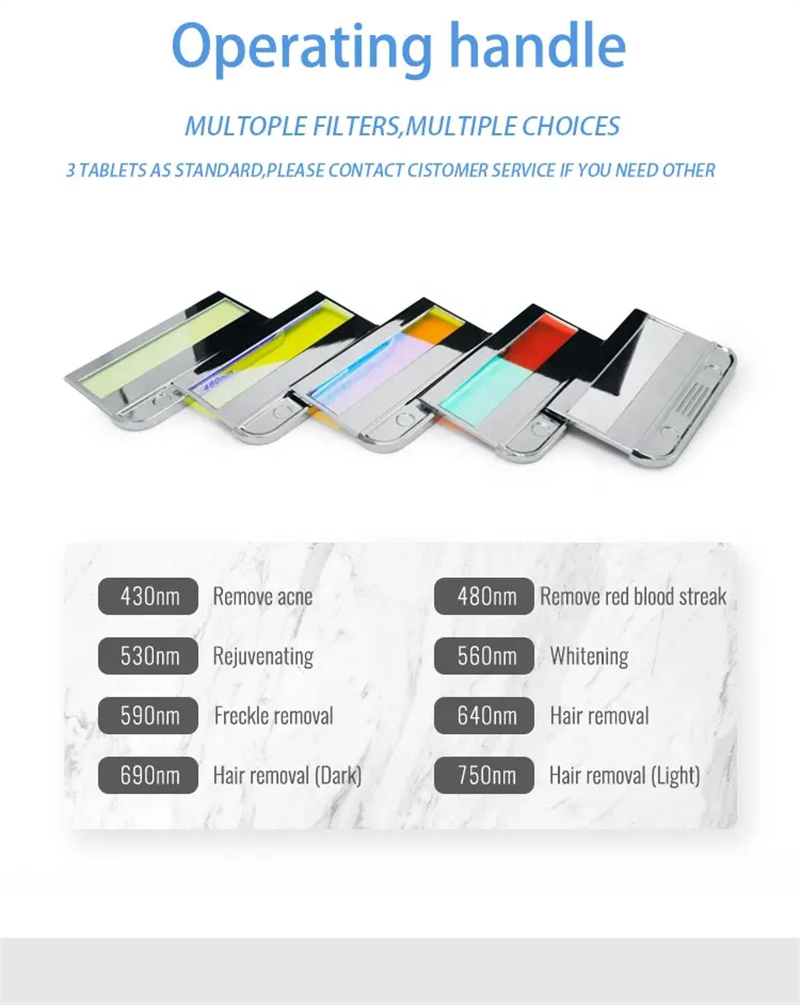
Why does sweating affect laser hair removal results?
Many people mistakenly believe that sweating only affects skin comfort. In fact, it can indirectly affect the treatment effect of the laser hair removal machine.
1. Disruption of the hair follicle repair process
The function of the laser hair removal machine is to "precisely destroy hair follicle tissue." After treatment, the hair follicle structure is not yet completely collapsed. If sweat enters or the local temperature is too high, it may interfere with this thermal damage process, causing some hair follicles to regain activity prematurely, thus affecting the overall hair removal rate.
2. Increased risk of inflammation and reactive pigmentation
Sweating increases skin temperature, prolonging the inflammatory phase. If exposed to sunlight or friction during this period, melanocytes are more likely to become active, leading to dullness, pigmentation, or spots, especially for people with darker skin tones.
3. Prolonged recovery time
After laser hair removal, the skin should be clean and dry to allow the stratum corneum to repair naturally. Frequent sweating creates a moist skin microenvironment, hindering skin barrier regeneration and prolonging redness and itching.
What behaviors should be avoided to prevent excessive sweating after laser hair removal?
To aid skin recovery, avoid the following situations that easily lead to sweating after laser hair removal:
• Strenuous exercise: such as running, cycling, aerobics, etc.
• High-temperature environments: saunas, hot springs, steam baths, hot showers;
• Sun exposure or sunbathing: UV rays not only induce sweating but also stimulate inflammation;
• Friction from tight clothing: exacerbates local heat buildup and sweat irritation;
• Spicy or hot foods: such as hot pot, curry, chili peppers, which increase body temperature and sweat production.
Adhering to these precautions can significantly reduce the incidence of adverse post-operative reactions, making the treatment effect of laser hair removal more stable and lasting.
What to do if skin stings or red spots appear after sweating?
If you experience mild stinging, redness, or burning sensations after laser hair removal due to sweating, you can take the following measures:
• Apply a cold compress immediately: Apply a clean, cold towel for 10-15 minutes to help cool and soothe the skin;
• Keep the skin dry: Avoid rubbing or touching the skin;
• Use a gentle repair cream: such as aloe vera gel or medical-grade repair lotion;
• Avoid cosmetics and fragrance-containing skincare products: to prevent chemical irritation;
• If pustules or persistent redness and swelling appear: Seek medical attention promptly to prevent folliculitis from worsening.
It is important to emphasize that regardless of whether it is a medical laser hair removal machine or a home-use device, the skin is in a temporarily sensitive state after the procedure, and the focus must be on "cooling, moisturizing, and preventing infection."
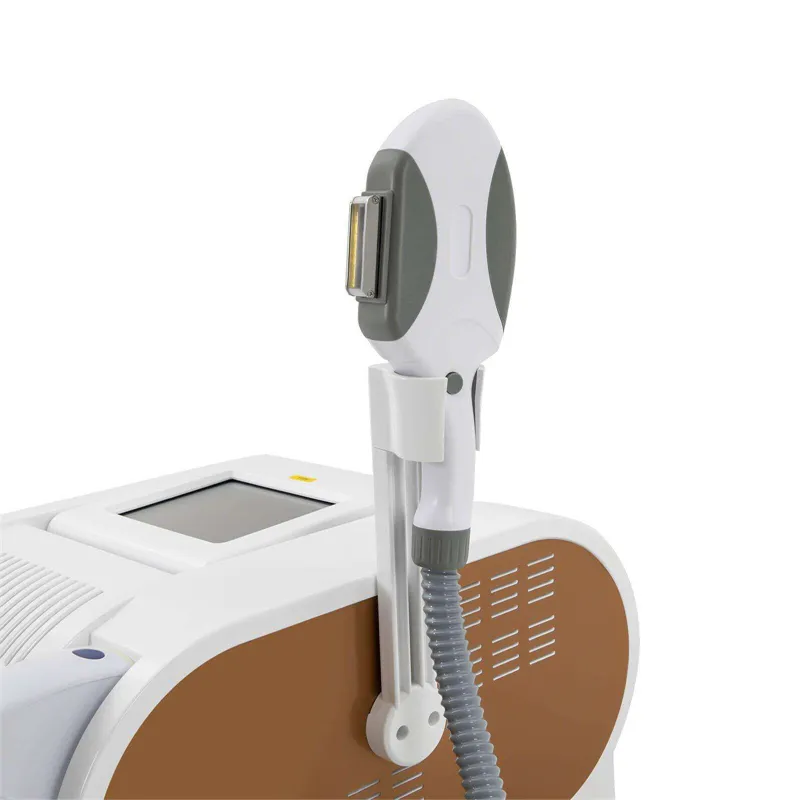
Is there a difference in the timeframe for avoiding sweating after laser hair removal for different areas?
Yes, the skin thickness, sweat gland density, and friction levels vary across different body parts, therefore the period during which sweating is contraindicated also differs slightly.
Locations: | Recommended time to avoid sweating: | Precautions: |
| Face | 24 hours | Avoid washing your face, applying makeup, or steaming your face with hot water |
| Underarms | 48-72 hours | Dense sweat glands make you highly susceptible to infection |
| Legs | 24-48 hours | Avoid wearing tight pants |
| Bikini area | At least 72 hours | Keep your skin dry and well-ventilated |
| Back | 48 hours | Avoid carrying backpacks that cause friction and sweat buildup |
These recommendations also apply to users of both medical and home laser hair removal machines. Adhering to the recommended times can significantly reduce the risk of post-operative complications.
Does the type of laser hair removal machine affect the duration of the sweating restriction?
Different types of laser hair removal machines have different energy densities and penetration depths, thus affecting the area of skin heated and the recovery period.
Common types are as follows:
• 755nm Alexander Graviton laser hair removal machine: Suitable for light skin and dark hair; concentrated surface heat, mild skin reaction, sweating restriction for approximately 24 hours;
• 808nm semiconductor laser hair removal machine: Wide applicability, stable energy; it is recommended to avoid excessive sweating for 48 hours;
• 1064nm Nd:YAG laser hair removal machine: Deeper penetration, suitable for dark skin; large heat-affected area, it is recommended to avoid sweating for 72 hours;
• Home-use laser hair removal machine (IPL or low-energy semiconductor): Lower energy, recovery generally takes 12-24 hours.
Therefore, the higher the device performance and the stronger the energy density, the longer the sweating restriction period.
How to scientifically care for your skin and shorten the recovery time?
To maximize the effectiveness of laser hair removal and minimize the risks associated with post-treatment sweating, follow these scientific aftercare principles:
• Apply a cold compress immediately after the procedure: This helps lower body temperature and relieve redness and heat.
• Avoid chemical irritants: Do not use exfoliating, alcohol-based, or acid-based products for 48 hours after the procedure.
• Enhance moisturizing: Choose a fragrance-free, alcohol-free moisturizer to maintain skin barrier function.
• Sunscreen is essential: Prevent UV rays from exacerbating inflammation and pigmentation.
• Maintain good ventilation: Avoid overheated environments to accelerate skin repair.
• Eat a light diet: Reduce spicy and oily foods to prevent overheating.
• Regular treatment regimen: Use the laser hair removal machine as directed by your doctor, repeating treatments every 4-6 weeks for stable results.
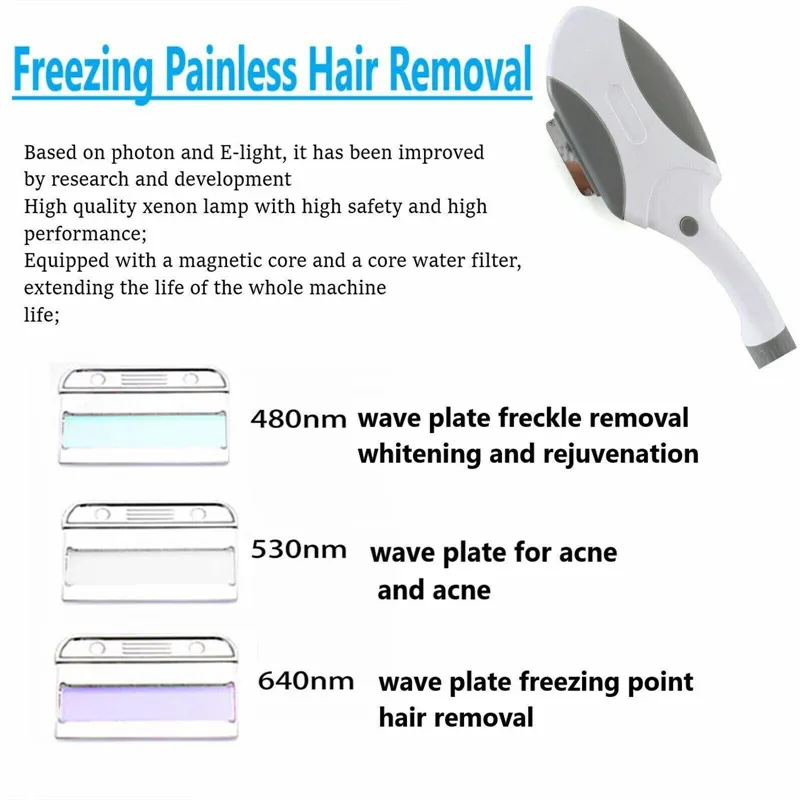
How long after laser hair removal should you avoid sweating?
In summary, the time during which you should avoid sweating after laser hair removal depends on the type of device, your skin condition, and the treatment area:
• Normal skin/regular energy treatment: 24-48 hours;
• Sensitive skin or high energy treatment: 48-72 hours;
• Home laser hair removal machine users: 12-24 hours.
During this period, strictly avoid strenuous exercise, high temperatures, and friction to prevent folliculitis, stinging, inflammation, or pigmentation.
Remember, the effectiveness of a laser hair removal machine depends not only on the energy output during treatment but also on proper post-treatment care. Keeping your skin dry, clean, and stable is key to longer-lasting hair removal results and smoother skin.
How does KuoHai manage production efficiency?
Our factory uses automated assembly equipment, digital monitoring, batch testing, and streamlined workflow to maintain high output without compromising quality. This allows us to handle large wholesale orders, deliver within short lead times, and keep prices competitive. By optimizing efficiency, KuoHai provides customers the option to buy in bulk with discount rates, while ensuring every beauty machine meets our high-quality standards.
Related News
More >-
![Do electronic muscle stimulators actually work?]()
Do electronic muscle stimulators actually work?
EMS devices work by sending electrical impulses through the skin, offering benefits such as helping to repair tissue and strengthen muscles. Most EMS muscle tone users notice decreased muscle fatigue during daily activities after 2–3 weeks. Visible muscle definition improvements typically appear after 6–8 weeks of consistent EMS muscle tone use.
-
![Is Hydrodermabrasion Suitable for Oily Skin?]()
Is Hydrodermabrasion Suitable for Oily Skin?
Very suitable, but it must be done correctly and gently, with the intensity adjusted according to skin tolerance. Since oily skin is often accompanied by acne scars and minor acne marks, the hydrodermabrasion facial machine can also help: • Reduce minor acne scars • Reduce fine lines • Improve dull skin tone
-
![Does Cryolipolysis Increase Bowel Movements?]()
Does Cryolipolysis Increase Bowel Movements?
During cryolipolysis, a cryolipolysis slimming machine is used to cool fat cells to near freezing point, causing excessive fat cells to undergo irreversible apoptosis. The apoptotic fat cells are then naturally transported and broken down by the body through the lymphatic system and ultimately eliminated through metabolism.
-
![What are the Pros and Cons of a vacuum butt lift machine?]()
What are the Pros and Cons of a vacuum butt lift machine?
Main Advantages • Non-invasive, high safety • Simple operation, no recovery period • Improves local circulation • Enhances buttock fullness etc. Main Disadvantages • Effects are not long-lasting, requiring multiple treatments • Cannot change bone or muscle structure • May cause minor bruising etc.
-
![Does Hydrodermabrasion Require Needles?]()
Does Hydrodermabrasion Require Needles?
Hydrodermabrasion does not require needles at all. Modern hydrodermabrasion uses a combination of professional tools, water, and serum, paired with an advanced hydrodermabrasion facial machine. The entire treatment is completed through water rinsing, negative pressure suction, and simultaneous infusion of repairing ingredients.
-
![How Long Should the Interval Be Between Hydrodermabrasion Treatments?]()
How Long Should the Interval Be Between Hydrodermabrasion Treatments?
The professional recommendation of 3-4 weeks is because: The skin's natural renewal cycle is approximately 28 days. Hydrating facials use a hydrodermabrasion facial machine to remove dead skin cells, so the skin must have sufficient time to regenerate a new stratum corneum before the next treatment.
-
![What happens if you don't exfoliate after laser hair removal?]()
What happens if you don't exfoliate after laser hair removal?
If you don't exfoliate after laser hair removal, dead skin cells will accumulate in the treated area, hindering hair removal and potentially even affecting skin health.
-
![How to Prepare for Hydrodermabrasion?]()
How to Prepare for Hydrodermabrasion?
• Stop using acid-based products and strong skincare products 3–5 days in advance • On the day of your treatment, keep your skin gently clean and without makeup • Avoid sun exposure and prolonged exposure to high temperatures • Sensitive skin requires extra caution • The more stable your skin is before the treatment, the better the hydrodermabrasion facial machine will perform.
Get the latest price? We'll respond as soon as possible(within 12 hours)