



Can I use Vitamin C after a hydrodermabrasion treatment?
2026-01-13 15:30
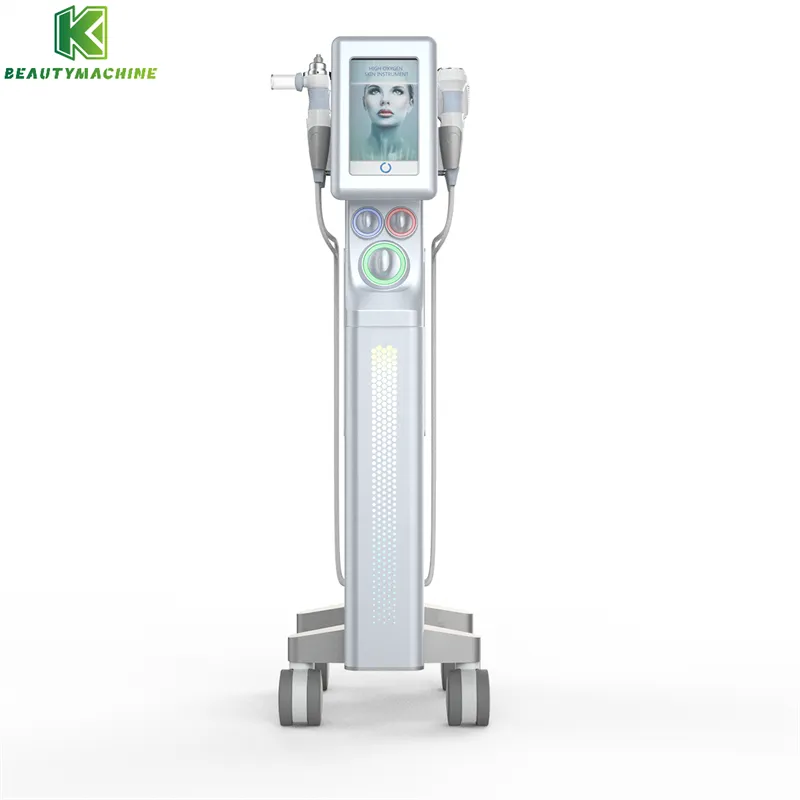
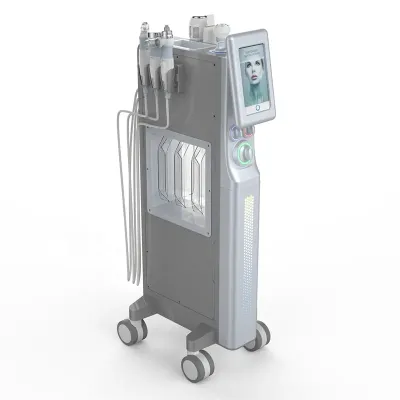
A hydrodermabrasion treatment (also known as a microdermabrasion facial) is a non-invasive skin management method that uses a hydrodermabrasion facial machine for gentle cleansing, exfoliation, and hydration. It effectively improves dullness, clogged pores, rough skin texture, and oil-water imbalance, making it popular among those seeking radiant and clear skin.
After a hydrodermabrasion treatment, many people ask a crucial question:
"Can I use Vitamin C after a hydrodermabrasion treatment?"
Vitamin C is an excellent antioxidant, brightening, and whitening ingredient, but it is also considered a potentially irritating active ingredient. Because hydrodermabrasion thins the stratum corneum and makes the skin more sensitive, the timing of Vitamin C use must be carefully considered.
To help you manage your skin correctly, safely, and scientifically, this article will thoroughly analyze the best combination of hydrodermabrasion and Vitamin C from multiple perspectives, including treatment principles, skin mechanisms, Vitamin C properties, appropriate timing, and precautions.
Can I use Vitamin C immediately after a hydrodermabrasion treatment?
The answer is clear:
You cannot use Vitamin C immediately; you must wait at least 24–48 hours.
The reasons are as follows:
• Hydrodermabrasion uses a facial machine to deeply cleanse and gently exfoliate the skin, temporarily thinning the stratum corneum.
• At this time, the skin barrier is temporarily more vulnerable and more sensitive to active ingredients.
• Vitamin C is a relatively irritating ingredient (especially pure Vitamin C—L-ascorbic acid).
• Applying it too early can easily lead to stinging, redness, dryness, itching, and even barrier damage.
Therefore, the professional recommendation is:
Wait 24–48 hours after a hydrodermabrasion before gradually resuming the use of Vitamin C.
Why does hydrodermabrasion make the skin more sensitive?
To understand why Vitamin C cannot be used immediately, we need to understand how hydrodermabrasion works.
1. The hydrodermabrasion removes dead skin cells
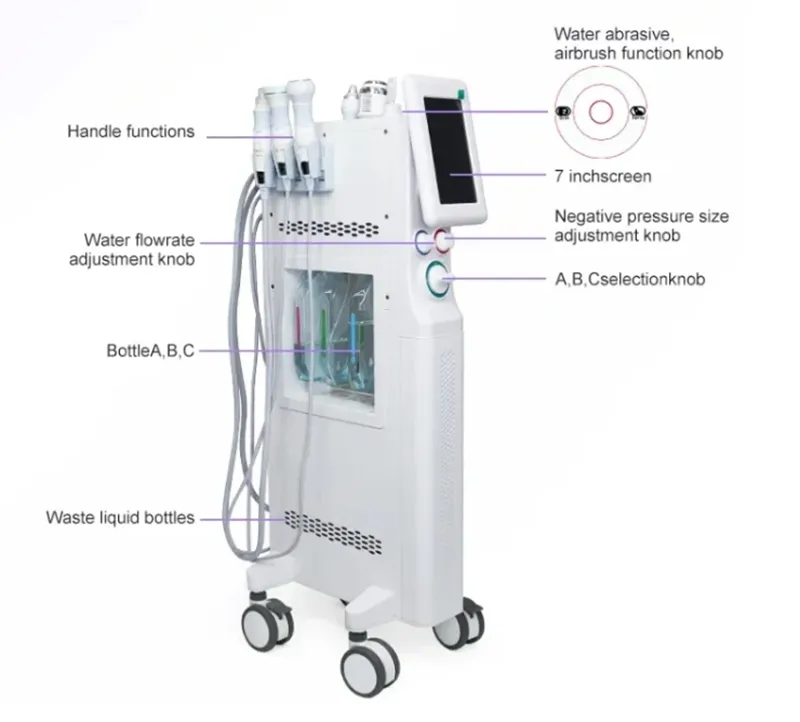
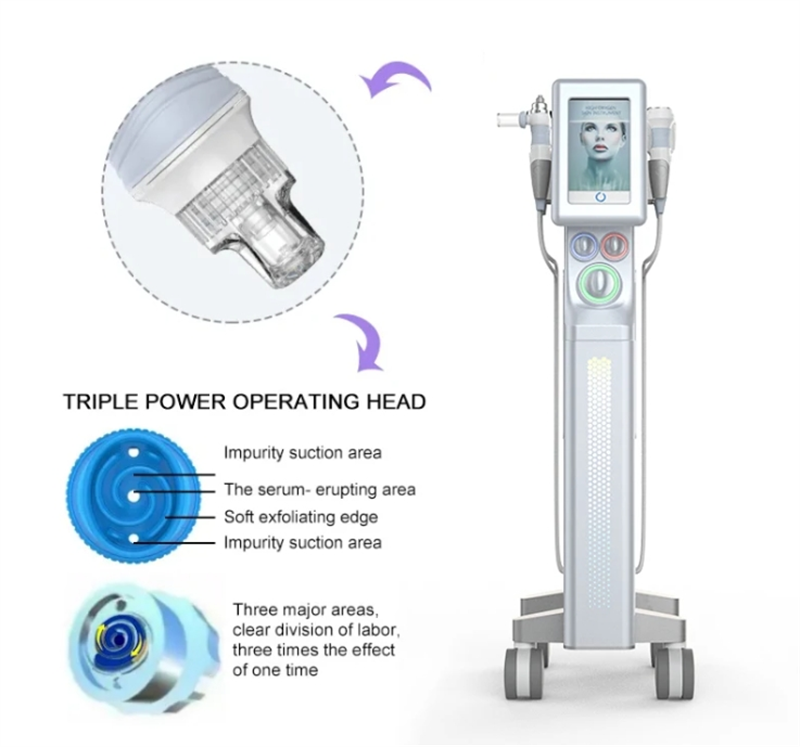
A key step in hydrodermabrasion is using the gentle abrasive head of the hydrodermabrasion facial machine to peel away the surface dead skin through the action of water. This makes the skin smoother, but it also means the skin barrier is temporarily thinner and more vulnerable.
2. Negative Pressure Suction Opens Pores
The machine's vacuum suction helps remove blackheads, oil, and dirt, leaving pores "open."
Active ingredients penetrate faster at this time, but the irritation is also stronger.
3. Enhanced Skin Absorption After Deep Cleansing
This is a major advantage, but it's a double-edged sword when using Vitamin C. Enhanced absorption means:
• Gentle ingredients are absorbed more fully
• Irritating ingredients penetrate deeper
Therefore, the skin is more likely to feel discomfort from Vitamin C in the short term after treatment.
Why is Vitamin C irritating? Are all Vitamin C products unusable?
Vitamin C comes in various forms, each with different levels of irritation.
1. Highly Irritating Types of Vitamin C: Exercise Special Caution
• L-Ascorbic Acid (Pure Vitamin C)
• Vitamin C serums with a concentration exceeding 15%
These types have strong penetration and high acidity, easily causing stinging and redness.
Using products immediately after a hydrogel treatment may cause:
• Stinging sensation
• Prolonged redness
• Dry skin
• Increased burden on the skin barrier
2. Less irritating Vitamin C derivatives
These may gradually subside after 24–48 hours:
• Vitamin C derivatives (VC-IP, MAP, SAP, etc.)
• Low-concentration Vitamin C products (5–10%)
• Complex serums containing soothing ingredients (panthenol, niacinamide, centella asiatica)
Even so, these should not be used immediately; the waiting period should still be followed.
What are the risks of using Vitamin C after a hydrogel treatment?
Vitamin C itself is not a dangerous ingredient, but using it at the wrong time can cause unwanted skin reactions.
Common risks include:
1. Stinging or burning sensation
After the stratum corneum is thinned, acidic Vitamin C is more likely to irritate nerve endings.
2. Prolonged redness
Redness that should appear briefly after treatment may be delayed in recovery.
3. Dryness, Itching, and Peeling
Vitamin C itself can cause mild dryness, which is more likely to worsen after a hydrogel treatment.
4. Increased Risk of Post-inflammatory Hyperpigmentation
The stronger the sensitivity reaction, the more difficult the subsequent skin repair will be.
To avoid these problems, the correct timing of use is crucial.
How long after a hydrogel treatment can I use Vitamin C? What is the best time?
The professional recommendation is: Wait at least 24–48 hours.
The reasons are as follows:
• 24 hours: The skin barrier begins to return to its normal state.
• 48 hours: The stratum corneum returns to a more stable structure.
• 72 hours: Tolerance to active ingredients increases.
If you have sensitive skin, it is best to:
Wait 48–72 hours before resuming Vitamin C use.
What skincare products are best to use after a hydrogel treatment?
Before you can use Vitamin C, this buffer period should focus on gentle skincare.
Recommended Products:
1. Hydrating Products
• Hyaluronic Acid
• Gentle Hydrating Serum
• Alcohol-Free Toner
2. Repairing Lotion
Best containing:
• Panthenol
• Ceramides
• Centella Asiatica
• Beta-Glucan
3. Soothing Cream
Especially suitable for barrier repair of sensitive skin.
4. Sunscreen (Essential for Outdoor Use)
Skin is more susceptible to sun damage after a dermal resurfacing treatment, therefore, it is essential to use:
• SPF 30–50
• Gentle Formula
• Non-irritating physical or combination sunscreen
How to Use Vitamin C for the First Time After a Dermabrasion Treatment?
Wait 24–48 hours before resuming Vitamin C use, and then gradually increase the frequency.
Steps are as follows:
Step 1: Cleansing
Use a gentle cleanser; avoid products with strong exfoliating properties.
Step 2: After skin is dry, apply a small amount of Vitamin C
Start with half a pump to one pump to avoid using too much at once.
Step 3: Observe the reaction
If there is no stinging or worsening redness, you can continue using it normally.
If discomfort occurs, try again after 24 hours.
Step 4: Use with a moisturizer
Vitamin C is best used with a repairing lotion to reduce irritation.
Does the hydrodermabrasion facial machine affect the absorption of Vitamin C?
Yes, it does, but this effect is positive and needs to be properly controlled.
The hydrodermabrasion facial machine works by:
• Exfoliating
• Deep cleansing
• Opening pores
• Enhancing skin's absorption capacity
This makes it easier for active ingredients to penetrate.
This means that using Vitamin C after a treatment will improve absorption efficiency.
However, with increased absorption:
• Irritation also increases
• Higher requirements for concentration, formulation, and timing of application
Therefore, the waiting period must be strictly followed.
Which ingredients should not be used with Vitamin C after a hydrogel treatment?
To avoid cumulative irritation, the following ingredients are not recommended for use with Vitamin C (avoid for at least 2-3 days after the treatment):
• AHAs (alpha hydroxy acids)
• BHAs (beta hydroxy acids)
• Azelaic acid
• Retinoic acid, retinol
• High-concentration niacinamide
• Strong cleansing masks
• Certain anti-aging ingredients (such as peptides, which should be used alternately)
This can reduce the risk of irritation and make the brightening effect of Vitamin C more stable.
What precautions should sensitive skin take when using Vitamin C after a hydrogel treatment?
Sensitive skin requires the most caution. Recommendations:
• Wait 48–72 hours before using Vitamin C.
• Choose a derivative type of Vitamin C (SAP/MAP/VC-IP) for gentler results.
• Avoid using high concentrations of Vitamin C (15–20%).
• Use with sufficient moisturizer and repair products.
• Use at night whenever possible.
• Use only 3–4 times a week, gradually increasing the frequency.
How to determine if it's suitable to use Vitamin C after a skin-refining treatment?
You can determine if your skin is ready by observing the following:
If the following occurs, postpone Vitamin C use:
• Skin surface is still noticeably red.
• Feels warm to the touch.
• Stinging lasts longer than 5 minutes.
• Breakouts or small rashes.
• Abnormally tight or cracked skin.
These are all signs that the skin barrier has not been fully repaired and needs more time.
The Complete Guide to Properly Resuming Vitamin C Use After a Hydrodermabrasion Treatment
To make it easier for you, I've compiled a safety guide:
Day 1 (Same Day as Treatment)
Avoid using Vitamin C
Only do:
• Hydrate
• Soothe
• Repair
• Sunscreen
Day 2 (After 24 Hours)
Skin condition stabilizes → You can try a small amount of mild Vitamin C
If irritation occurs → Delay
Day 3 (After 48 Hours)
Most skin can safely resume Vitamin C use.
Suitable Vitamin C concentration: 5–10%
Days 4–7
Gradually resume normal Vitamin C usage frequency
Can I use Vitamin C after a hydrodermabrasion treatment?
✔ Yes, but not immediately.
✔ Wait at least 24–48 hours.
✔ For sensitive skin, wait 48–72 hours.
✔ Start with a gentle Vitamin C formula and gradually increase.
✔ Ensure your skin is stable before using Vitamin C.
✔ The hydrodermabrasion facial machine enhances absorption, so timing is crucial.
✔ After treatment, focus on hydration, repair, and sun protection.
What industries does KuoHai mainly serve?
KuoHai serves multiple sectors, including beauty salons, medical spas, wellness centers, online retailers, home appliance distributors, commercial equipment importers, and domestic lifestyle brands. Our products fit both professional treatment environments and home-care markets. As a reliable Chinese factory and supplier, we offer bulk purchasing, brand customization, and discount prices, helping companies in various industries expand their product catalogs with high-quality beauty technology.
Related News
More >-
![Do electronic muscle stimulators actually work?]()
Do electronic muscle stimulators actually work?
EMS devices work by sending electrical impulses through the skin, offering benefits such as helping to repair tissue and strengthen muscles. Most EMS muscle tone users notice decreased muscle fatigue during daily activities after 2–3 weeks. Visible muscle definition improvements typically appear after 6–8 weeks of consistent EMS muscle tone use.
-
![Is Hydrodermabrasion Suitable for Oily Skin?]()
Is Hydrodermabrasion Suitable for Oily Skin?
Very suitable, but it must be done correctly and gently, with the intensity adjusted according to skin tolerance. Since oily skin is often accompanied by acne scars and minor acne marks, the hydrodermabrasion facial machine can also help: • Reduce minor acne scars • Reduce fine lines • Improve dull skin tone
-
![Does Cryolipolysis Increase Bowel Movements?]()
Does Cryolipolysis Increase Bowel Movements?
During cryolipolysis, a cryolipolysis slimming machine is used to cool fat cells to near freezing point, causing excessive fat cells to undergo irreversible apoptosis. The apoptotic fat cells are then naturally transported and broken down by the body through the lymphatic system and ultimately eliminated through metabolism.
-
![What are the Pros and Cons of a vacuum butt lift machine?]()
What are the Pros and Cons of a vacuum butt lift machine?
Main Advantages • Non-invasive, high safety • Simple operation, no recovery period • Improves local circulation • Enhances buttock fullness etc. Main Disadvantages • Effects are not long-lasting, requiring multiple treatments • Cannot change bone or muscle structure • May cause minor bruising etc.
-
![Does Hydrodermabrasion Require Needles?]()
Does Hydrodermabrasion Require Needles?
Hydrodermabrasion does not require needles at all. Modern hydrodermabrasion uses a combination of professional tools, water, and serum, paired with an advanced hydrodermabrasion facial machine. The entire treatment is completed through water rinsing, negative pressure suction, and simultaneous infusion of repairing ingredients.
-
![How Long Should the Interval Be Between Hydrodermabrasion Treatments?]()
How Long Should the Interval Be Between Hydrodermabrasion Treatments?
The professional recommendation of 3-4 weeks is because: The skin's natural renewal cycle is approximately 28 days. Hydrating facials use a hydrodermabrasion facial machine to remove dead skin cells, so the skin must have sufficient time to regenerate a new stratum corneum before the next treatment.
-
![What happens if you don't exfoliate after laser hair removal?]()
What happens if you don't exfoliate after laser hair removal?
If you don't exfoliate after laser hair removal, dead skin cells will accumulate in the treated area, hindering hair removal and potentially even affecting skin health.
-
![How to Prepare for Hydrodermabrasion?]()
How to Prepare for Hydrodermabrasion?
• Stop using acid-based products and strong skincare products 3–5 days in advance • On the day of your treatment, keep your skin gently clean and without makeup • Avoid sun exposure and prolonged exposure to high temperatures • Sensitive skin requires extra caution • The more stable your skin is before the treatment, the better the hydrodermabrasion facial machine will perform.
Get the latest price? We'll respond as soon as possible(within 12 hours)