



Who Shouldn't Undergo Cryolipolysis?
2026-01-08 15:30
Cryolipolysis, as a non-surgical, non-invasive fat reduction method, has gained widespread attention in the fields of aesthetic medicine and body sculpting in recent years. Many people are attracted by its claims of being "non-invasive, safe, and permanently reducing fat cells."
However, not everyone is suitable for cryolipolysis.
Many people overlook its limitations, resulting in unsatisfactory results or even side effects.
This article will systematically and professionally answer:
"Who shouldn't undergo cryolipolysis?"
"Why isn't cryolipolysis suitable for everyone?"
"How can I determine if I'm suitable for cryolipolysis?"
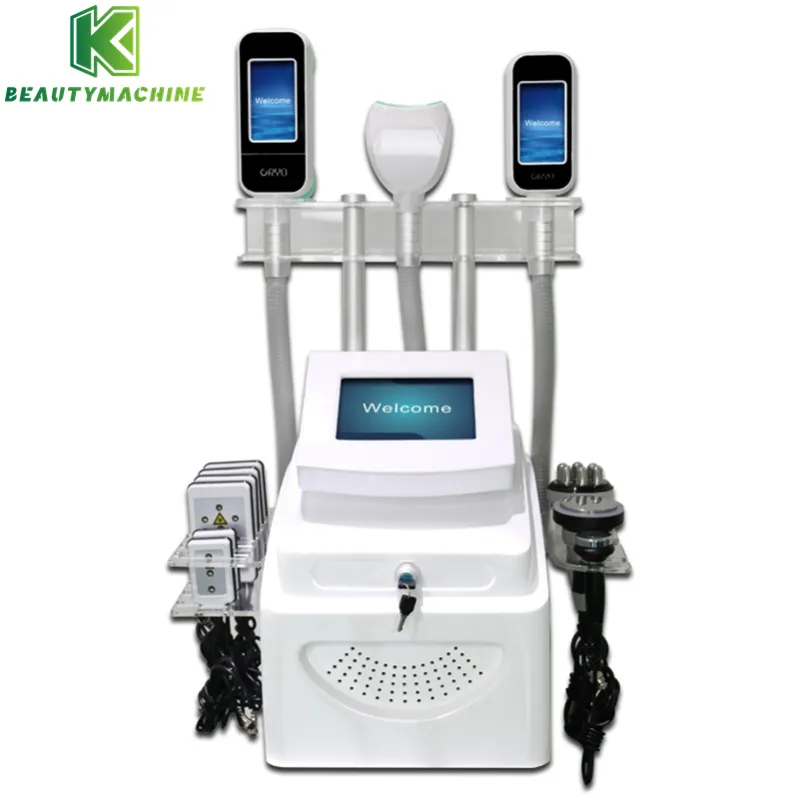
What is cryolipolysis? Why can't some people undergo it?
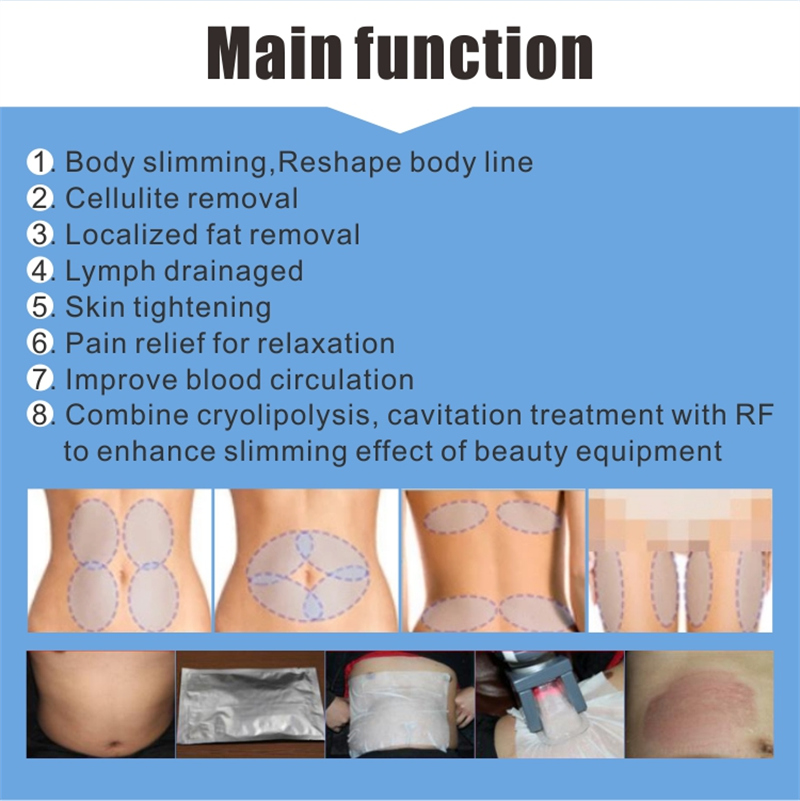
Cryolipolysis is a fat reduction method that uses controlled low-temperature technology to selectively destroy fat cells.
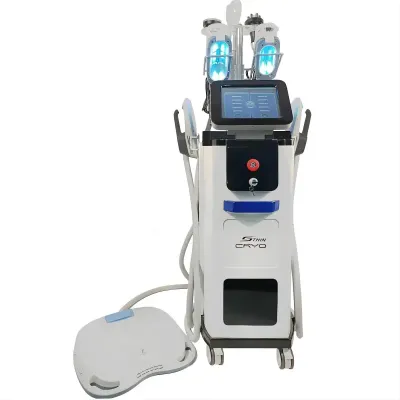
The principle is that fat cells are sensitive to low temperatures; at temperatures between -5°C and -10°C, they undergo crystallization and apoptosis, and are subsequently naturally eliminated through the body's metabolic system. The cryolipolysis slimming machine uses vacuum adsorption and cooling technology to precisely target the fat layer at low temperatures, while avoiding damage to the skin, nerves, and blood vessels.
Mechanistically, cryolipolysis is indeed safe and effective, but its "safety" is contingent on proper screening of suitable individuals.
For some people, the low-temperature environment, vacuum negative pressure, and the process of fat cell apoptosis may trigger adverse reactions or potential risks.
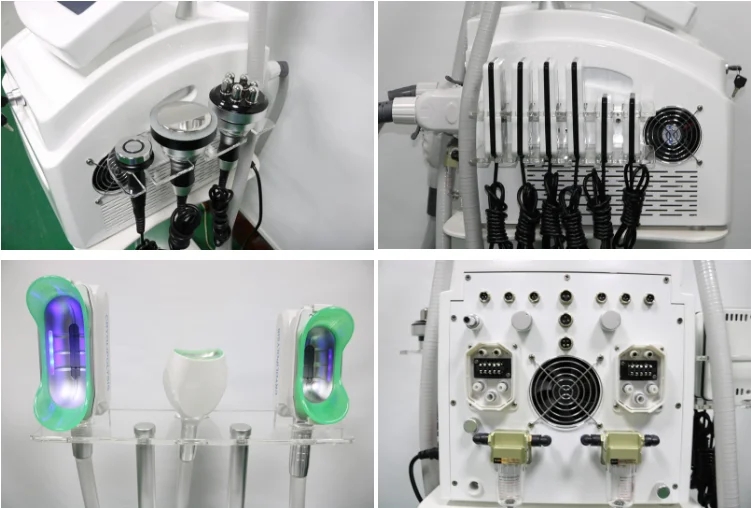
Who should not undergo cryolipolysis?
While cryolipolysis is generally safe in clinical use, there are a series of absolute and relative contraindications. These are detailed below:
1. Individuals with cold-related illnesses
These illnesses are a key contraindication for cryolipolysis.
The cryolipolysis slimming machine works by targeting fat cells at low temperatures, but for some individuals, the low temperature itself is a risk factor.
Contraindications include:
• Cryoglobulinemia: Globulins in the blood precipitate at low temperatures, leading to blood vessel blockage.
• Cold fibrinogenemia: Low temperatures promote fibrinogen aggregation, causing circulatory disorders.
• Cold urticaria: Skin redness, itching, or systemic allergic reactions occur after contact with cold stimuli.
• Raynaud’s Disease: Low temperatures trigger vasospasm, leading to numbness, paleness, or even necrosis of the hands and feet.
For these individuals, cryolipolysis not only fails to reduce fat but may also cause frostbite, circulatory disorders, or general malaise.
2. Pregnant and Breastfeeding Women
Pregnant and breastfeeding women are not suitable for any external energy-based fat loss programs, including the use of cryolipolysis slimming machines.
The reasons are as follows:
• Cryolipolysis may affect the stability of the mother's circulatory system;
• The treatment area (such as the abdomen) is close to the uterus, which may have uncertain effects on the fetus;
• The metabolic system changes significantly during lactation, affecting the speed and effectiveness of fat clearance;
• Mild inflammatory reactions caused by cryolipolysis may indirectly affect the infant through breast milk.
Therefore, for both safety and effectiveness reasons, cryolipolysis should be completely avoided during pregnancy and lactation.
3. Extremely obese individuals or patients with metabolic syndrome
Cryolipolysis is not a method of "whole-body weight loss," but rather a localized body sculpting technique.
If your body mass index (BMI) is ≥30, or if you have metabolic syndrome (such as diabetes, hypertension, or hyperlipidemia), the cryolipolysis slimming machine is not recommended.
The reasons are as follows:
• Cryolipolysis only acts on the local fat layer, with limited impact on systemic fat metabolism;
• In extremely obese individuals, the fat layer is too thick, and the cooling depth is insufficient to cover the entire fat layer;
• In individuals with impaired metabolic function, the metabolic clearance capacity after fat apoptosis is reduced;
• Post-treatment local inflammatory response may exacerbate the metabolic burden.
For these individuals, weight loss through diet control and exercise should be prioritized, and localized cryolipolysis should be considered after weight stabilization.
4. Patients with skin diseases or inflammation at the treatment site
The cryolipolysis slimming machine uses vacuum negative pressure to adsorb skin tissue and apply cooling; therefore, skin health directly affects safety.
The following conditions are unsuitable for treatment:
• Dermatitis, eczema, ulcers, or infection in the treatment area;
• Open wounds, surgical scars, or burn marks;
• Obvious varicose veins or vasodilation;
• Previous injections, fillers, or surgery in the same area.
In these cases, the freezing stimulation and adsorption pressure can exacerbate local inflammation, leading to skin damage or delayed healing.
5. Individuals allergic to cryolipolysis materials or cooling membranes
Cryolipolysis slimming machines require the use of an anti-freezing membrane to protect the skin from frostbite during operation.
However, some individuals are allergic to the glycerin, propylene glycol, or gel components in the cooling membrane, experiencing redness, stinging, and itching.
In addition, individuals allergic to metal probes or coolants should avoid using this type of equipment.
If you have a history of allergies, a skin patch test should be performed before treatment to ensure safety.
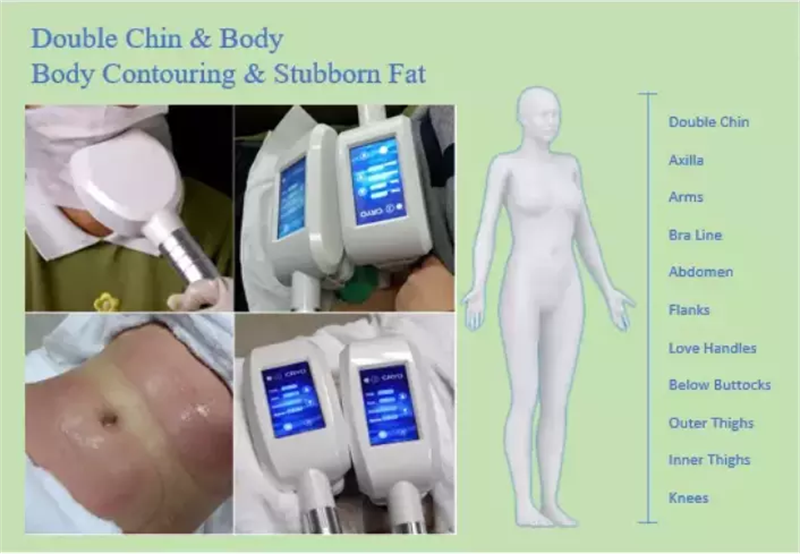
6. Individuals with circulatory disorders or coagulation abnormalities
During cryolipolysis, local tissues experience a temporary reduction in blood flow due to cooling and negative pressure.
Treatment should be avoided if the patient has any of the following conditions:
• Coagulation disorders (e.g., hemophilia, thrombocytopenia);
• Chronic venous insufficiency;
• Peripheral vascular disease;
• Long-term use of anticoagulants (e.g., warfarin).
These individuals may experience persistent bruising, subcutaneous bleeding, and slowed metabolism after cryolipolysis.
7. Individuals with metal implants or electronic devices
Although cryolipolysis slimming machines do not use electromagnetic waves or radiofrequency energy, weak electromagnetic field fluctuations may still exist in some device structures.
If you have:
• A pacemaker;
• Metal implants (such as plates, screws, prostheses);
• Electronic neurostimulation devices;
cryolipolysis should be avoided to prevent abnormal thermal conductivity of the metal or interference with the device caused by cooling and electric field effects.
8. Individuals with weakened immune systems or chronic diseases
After cryolipolysis, fat cells are cleared by the immune system.
If immune function is weakened, the efficiency of clearing apoptotic fat cells decreases, resulting in poor efficacy and potentially persistent local inflammation.
The following groups should exercise caution or avoid this procedure:
• Those using immunosuppressants long-term;
• Patients with autoimmune diseases (such as lupus, rheumatoid arthritis);
• Those with chronic liver disease or renal insufficiency.
9. Individuals experiencing psychological distress or severe anxiety
Although cryolipolysis is a non-invasive technique, some people may experience tension or amplified pain reactions due to the cold sensation and negative pressure.
For women with anxiety disorders, depression, or during menstruation, it is recommended to adjust their condition before treatment to avoid pain sensitivity and psychological discomfort.
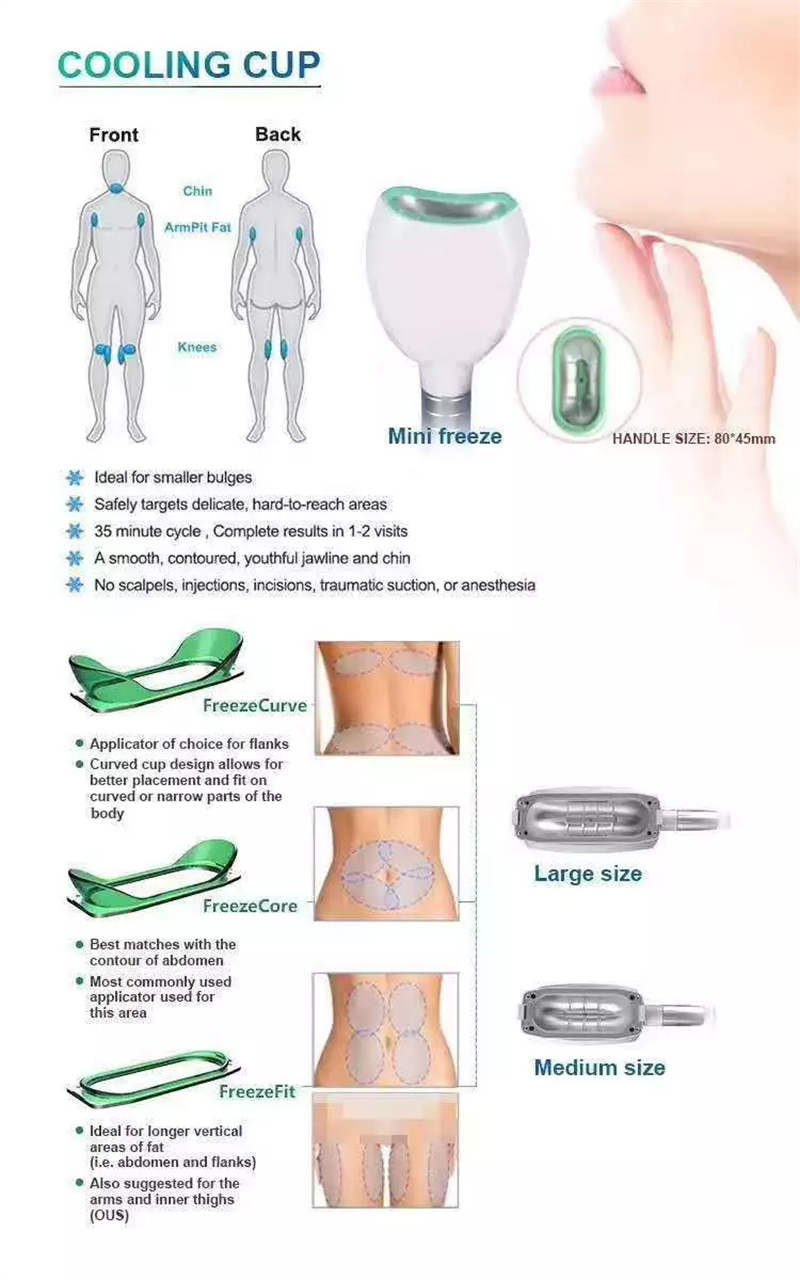
What assessments should be performed before cryolipolysis slimming machine treatment?
To ensure the safety and effectiveness of cryolipolysis, a comprehensive professional assessment should be conducted before formal treatment:
• Medical consultation and history taking: Confirm the presence of cold-related diseases or metabolic abnormalities.
• Fat layer thickness measurement: Use a skinfold meter or ultrasound equipment to measure fat thickness and assess whether the freezing depth is suitable.
• Skin condition examination: Confirm the absence of wounds, inflammation, or allergic reactions in the treated area.
• Device Compatibility Test: Select the appropriate cryolipolysis slimming machine probe model based on different body types.
• Allergy Test: Test beforehand to see if the cooling membrane material triggers an allergic reaction.
These steps not only ensure safety but also maximize the treatment effect of the cryolipolysis slimming machine.
Why is cryolipolysis not suitable for everyone?
Although cryolipolysis is widely considered "safe and reliable," it is essentially a medical method that physically destroys fat cells.
The core reasons why it is not suitable for everyone are:
• Significant individual differences: Different people have different fat structures, metabolic rates, and immune responses;
• Physiological limitations of the freezing mechanism: Low-temperature stimulation is not tolerated by everyone;
• Not a weight loss method: Cryolipolysis is suitable for body sculpting, not for treating obesity;
• High requirements for physical condition: Requires a healthy circulatory, immune, and skin system.
Therefore, before deciding to use a cryolipolysis slimming machine, a professional doctor should conduct an individualized assessment, rather than blindly following trends.
Who is more suitable to use a cryolipolysis slimming machine?
After understanding "who cannot do it," it's also necessary to clarify "who can do it":
Suitable candidates include:
• Individuals with mild to moderate fat accumulation and a BMI between 18.5 and 27;
• Individuals dissatisfied with stubborn fat deposits in specific areas (abdomen, waist, outer thighs, upper arms, chin, etc.);
• Individuals without cold-related illnesses and with healthy skin;
• Individuals unwilling to undergo liposuction or desiring a short recovery period.
For these individuals, cryolipolysis can significantly improve body contours safely.
How to determine if you are a suitable candidate for cryolipolysis?
The criteria can be based on the following four dimensions:
• Medical assessment: No history of cold-related illnesses or chronic diseases;
• Skin assessment: Healthy skin, without infection or damage;
• Body fat assessment: Localized fat deposits can be pinched with fingers to form a thickness ≥2.5cm;
• Psychological assessment: Reasonable expectations of the results, understanding that cryolipolysis is for body sculpting, not weight loss.
If you are unsure whether you meet the criteria, it is recommended that you visit a reputable medical institution for a professional physician to determine your eligibility through consultation and fat layer measurement.
What precautions should be taken before and after cryolipolysis?
Before treatment:
• Avoid taking anticoagulants and drinking alcohol;
• Do not apply skincare products or ointments to the treated area;
• Keep your skin clean and healthy.
After treatment:
• Avoid hot and cold stimuli;
• Drink plenty of water to promote metabolism;
• You can gently massage the treated area;
• Avoid strenuous exercise and high-fat diets for one week.
Following these care principles can reduce discomfort and promote fat metabolism.
Does KuoHai focus on innovation in beauty technology?
Yes. KuoHai places strong emphasis on continuous innovation, investing in new technologies such as enhanced laser energy output, improved ultrasonic penetration, and advanced EMS waveform algorithms. Our R&D team tests new components and software regularly to ensure stable performance. This commitment helps us offer high-quality beauty machines at competitive China factory prices. Global retailers and salon owners can confidently buy wholesale, request customized features, and receive reliable technical upgrades over time.
Related News
More >-
![Do electronic muscle stimulators actually work?]()
Do electronic muscle stimulators actually work?
EMS devices work by sending electrical impulses through the skin, offering benefits such as helping to repair tissue and strengthen muscles. Most EMS muscle tone users notice decreased muscle fatigue during daily activities after 2–3 weeks. Visible muscle definition improvements typically appear after 6–8 weeks of consistent EMS muscle tone use.
-
![Is Hydrodermabrasion Suitable for Oily Skin?]()
Is Hydrodermabrasion Suitable for Oily Skin?
Very suitable, but it must be done correctly and gently, with the intensity adjusted according to skin tolerance. Since oily skin is often accompanied by acne scars and minor acne marks, the hydrodermabrasion facial machine can also help: • Reduce minor acne scars • Reduce fine lines • Improve dull skin tone
-
![Does Cryolipolysis Increase Bowel Movements?]()
Does Cryolipolysis Increase Bowel Movements?
During cryolipolysis, a cryolipolysis slimming machine is used to cool fat cells to near freezing point, causing excessive fat cells to undergo irreversible apoptosis. The apoptotic fat cells are then naturally transported and broken down by the body through the lymphatic system and ultimately eliminated through metabolism.
-
![What are the Pros and Cons of a vacuum butt lift machine?]()
What are the Pros and Cons of a vacuum butt lift machine?
Main Advantages • Non-invasive, high safety • Simple operation, no recovery period • Improves local circulation • Enhances buttock fullness etc. Main Disadvantages • Effects are not long-lasting, requiring multiple treatments • Cannot change bone or muscle structure • May cause minor bruising etc.
-
![Does Hydrodermabrasion Require Needles?]()
Does Hydrodermabrasion Require Needles?
Hydrodermabrasion does not require needles at all. Modern hydrodermabrasion uses a combination of professional tools, water, and serum, paired with an advanced hydrodermabrasion facial machine. The entire treatment is completed through water rinsing, negative pressure suction, and simultaneous infusion of repairing ingredients.
-
![How Long Should the Interval Be Between Hydrodermabrasion Treatments?]()
How Long Should the Interval Be Between Hydrodermabrasion Treatments?
The professional recommendation of 3-4 weeks is because: The skin's natural renewal cycle is approximately 28 days. Hydrating facials use a hydrodermabrasion facial machine to remove dead skin cells, so the skin must have sufficient time to regenerate a new stratum corneum before the next treatment.
-
![What happens if you don't exfoliate after laser hair removal?]()
What happens if you don't exfoliate after laser hair removal?
If you don't exfoliate after laser hair removal, dead skin cells will accumulate in the treated area, hindering hair removal and potentially even affecting skin health.
-
![How to Prepare for Hydrodermabrasion?]()
How to Prepare for Hydrodermabrasion?
• Stop using acid-based products and strong skincare products 3–5 days in advance • On the day of your treatment, keep your skin gently clean and without makeup • Avoid sun exposure and prolonged exposure to high temperatures • Sensitive skin requires extra caution • The more stable your skin is before the treatment, the better the hydrodermabrasion facial machine will perform.
Get the latest price? We'll respond as soon as possible(within 12 hours)