



Who shouldn't get laser hair removal?
2026-01-30 15:30
In modern medical aesthetics, laser hair removal machines have become the mainstream choice for removing unwanted hair.
With its advantages of precision, safety, and efficiency, laser hair removal technology is widely used in hair removal projects for the face, underarms, arms, legs, and even the whole body.
However, although laser hair removal is a mature medical aesthetic procedure, it is not suitable for everyone.
Some people have contraindications due to their physiological state, health condition, or skin characteristics. If they undergo treatment with a laser hair removal machine without caution, it may cause side effects, skin damage, or even worsen existing conditions.
This article will systematically answer the following core questions:
• Who is not suitable for using a laser hair removal machine?
• Why do these people face risks?
• In which situations should laser hair removal be postponed or avoided?
• How to receive treatment within safe limits?
This article will help you comprehensively understand the contraindications and correct procedures for laser hair removal from a scientific, logical, and professional perspective.
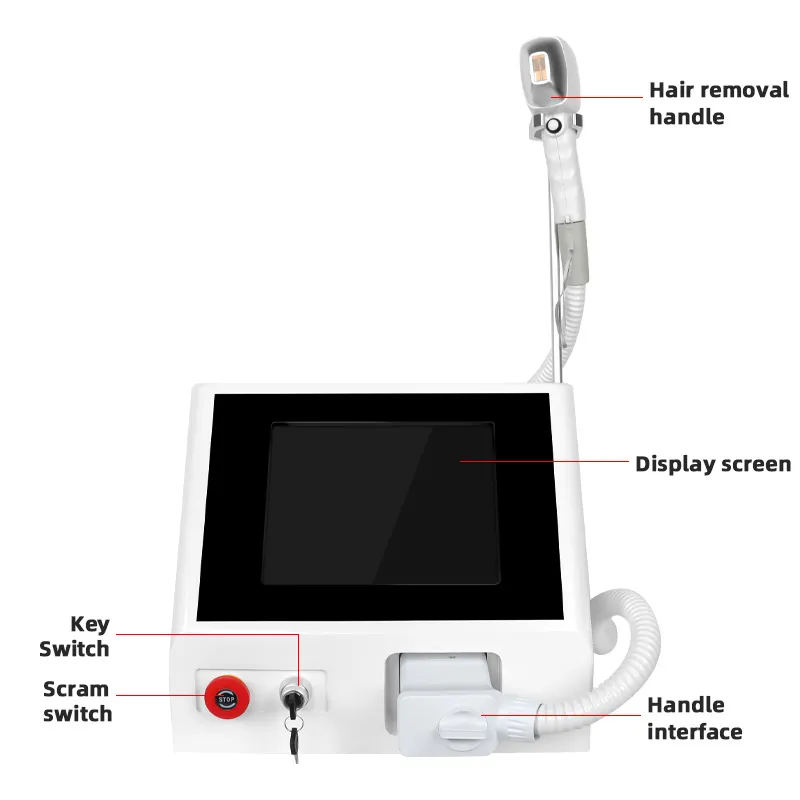
What is the working principle of a laser hair removal machine?
The scientific basis of laser hair removal is the principle of Selective Photothermolysis:
• The laser hair removal machine emits a laser beam of a specific wavelength;
• The beam is absorbed by the melanin in the hair;
• The energy is converted into heat and transmitted to the hair follicle;
• It destroys the hair follicle's germ cells, thereby inhibiting hair regrowth.
The key to this process lies in "energy absorption and heat conduction."
Therefore, skin type, hair color, and individual health status directly affect the effectiveness and safety of the laser hair removal machine.
Not everyone can tolerate the heat reaction caused by laser energy; for some people, this stimulation can be dangerous.
Why are some people not suitable for laser hair removal?
Although laser hair removal is safe, the premise is that the skin barrier is healthy, the hair follicle structure is normal, and the immune function is stable.
If there are special conditions in the body, laser irradiation may cause the following risks:
• Skin burns or hyperpigmentation: People with darker skin are more likely to absorb laser energy, leading to overheating of the skin.
• Abnormal immune response: Patients with certain diseases (such as lupus erythematosus, psoriasis) are sensitive to laser stimulation and may trigger inflammation.
• Hormonal effects: Pregnant or breastfeeding women have significant hormonal fluctuations, which may lead to pigment changes or abnormal hair growth. • Drug reactions: Certain medications can increase skin photosensitivity, making the reaction after laser treatment more intense.
Therefore, while laser hair removal machines are advanced, they are not suitable for everyone.
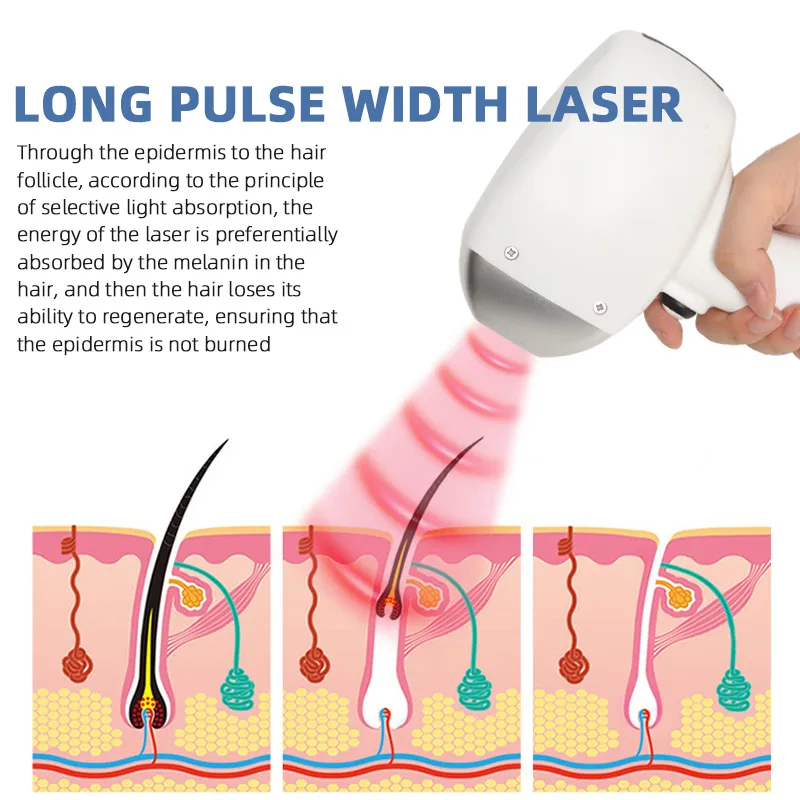
Who should not undergo laser hair removal? (Analysis of key groups)
Below is a detailed description of several groups of people for whom the use of laser hair removal machines is strongly discouraged.
1. Pregnant and breastfeeding women
Pregnant women are an absolute contraindication for laser hair removal.
Reasons include:
• Insufficient research on the safety of laser energy: Although the laser acts on the epidermis, there is theoretically a risk of heat energy spreading to deeper tissues, potentially affecting fetal development.
• Significant hormonal changes: During pregnancy, estrogen and progesterone levels increase, making the skin more sensitive to external stimuli and prone to erythema and hyperpigmentation.
• Psychological and physiological instability: If pregnant women experience pain or anxiety during treatment, it can indirectly affect fetal health.
Although the risks are smaller for breastfeeding women, it is still recommended to postpone the use of laser hair removal machines until hormone levels return to normal.
2. People with darker skin tones or those who have recently been tanned
The principle of laser hair removal machines relies on melanin absorbing energy.
For people with darker skin tones and naturally higher melanin content, the laser may mistakenly damage the epidermis, causing the following problems:
• Skin burns and redness
• Hyperpigmentation or hypopigmentation
• Epidermal peeling and scabbing
Especially for people who have recently experienced intense sun exposure, the melanin content in the skin increases sharply, making them more susceptible to absorbing laser energy. They should wait at least 4-6 weeks before considering treatment.
3. People with skin diseases
If you suffer from the following skin diseases, it is not recommended to use a laser hair removal machine:
• Psoriasis: Laser heat can irritate the skin and worsen inflammation.
• Eczema, dermatitis: The skin barrier is damaged, and the laser may cause infection or rashes.
• Herpes simplex, skin infections: Laser irradiation can promote virus spread or cause secondary infections.
• Unhealed wounds: The laser will delay the healing process and may even cause scarring.
In short: Do not use a laser hair removal machine if your skin is not completely healthy.
4. Individuals with photosensitive skin or those taking photosensitizing medications
Certain medications can make the skin extremely sensitive to light, such as:
• Tetracycline antibiotics
• Isotretinoin
• Antiepileptic drugs
• Certain contraceptives or antidepressants
These medications increase the risk of the skin absorbing laser light, leading to erythema, blisters, or burns.
If you have recently taken any of the above medications, you should inform your doctor in advance and wait at least 3-6 months after discontinuing the medication before undergoing laser hair removal.
5. Individuals with diabetes or immune system disorders
Diabetic patients have impaired skin healing abilities, and minor damage after laser treatment may be difficult to heal;
Individuals with immune system disorders (such as lupus) are abnormally sensitive to light, and lasers can trigger inflammatory skin reactions.
In addition, individuals with weakened immune systems are more prone to bacterial infections after treatment and should avoid any form of laser treatment.
6. Individuals with a history of keloid formation or severe allergies
Individuals prone to keloid formation easily develop hypertrophic scars or keloids after skin injury.
Although the laser hair removal machine's light spot acts superficially, it can still stimulate the dermis and cause abnormal repair reactions.
If you have this type of skin, you should undergo a small-area test beforehand to ensure there is no reaction before expanding the treatment area.
7. Teenagers and children
Teenagers are in a period of rapid hormone secretion, and hair follicles are still developing.
Using a laser hair removal machine at this time may not only result in unstable effects but also affect the normal development of hair follicles.
Therefore, it is recommended that individuals under 18 years of age avoid laser hair removal, or at least proceed cautiously under a doctor's evaluation.
8. Individuals with unstable mental states or fear of pain
Although laser hair removal is only mildly painful, for overly sensitive, anxious, or fearful individuals, the treatment process may cause a stress response.
Especially when accompanied by a burning sensation on the skin, emotional fluctuations can exacerbate pain and skin redness.
Therefore, individuals with unstable mental states should undergo psychological preparation or consultation before deciding whether the treatment is suitable.
Under what circumstances is laser hair removal "temporarily not recommended"?
Some people are not absolutely contraindicated, but treatment should be postponed in the following situations:
Conditions: | Reasons: | Suggested waiting time: |
| Sunburn | Increased melanin activity, making the skin prone to burns | At least 4–6 weeks |
| Recent exfoliation/chemical peel | Damaged skin barrier | 2–3 weeks |
| Recently undergone injections or photofacial treatment | Accumulation of energy, leading to increased irritation | More than 4 weeks |
Menstruation | Increased skin sensitivity and pain | After menstruation ends |
| Cold or fever | Weakened immunity | After complete recovery |
How should laser hair removal be evaluated before treatment?
Before any laser hair removal procedure begins, a professional evaluation is mandatory.
The following is a standard pre-treatment procedure:
• Skin type assessment: Determine which Fitzpatrick skin type (I–VI) the patient belongs to; darker skin tones require more caution.
• Medical history inquiry: The doctor needs to know if the patient has a history of diabetes, skin diseases, or photosensitive medication use.
• Hair characteristics analysis: Hair color, thickness, and density determine the laser parameters.
• Small area test: Test the reaction using a low-energy laser hair removal machine in a concealed area first.
• Signing of informed consent form: Clearly understand the risks, contraindications, and post-treatment care requirements.
Scientific assessment is key to avoiding laser side effects.
Who are suitable candidates for laser hair removal?
Not everyone is excluded; the following individuals can safely receive laser hair removal treatment after assessment:
• Healthy adults with no history of serious skin diseases;
• Individuals with light skin and dark hair;
• Those who are not taking photosensitive medications;
• Those without a history of keloids or allergies;
• Those willing to follow the treatment and care instructions of a professional institution.
These individuals usually achieve ideal hair removal results with a very low risk of side effects.
Why can't pregnant women undergo laser hair removal?
Although the laser energy is mainly concentrated in the epidermis, hormonal fluctuations during pregnancy can make the skin abnormally sensitive, and there is currently insufficient research to prove absolute safety for the fetus, so it should be avoided.
Can people with dark skin use a cooling-type laser hair removal machine?
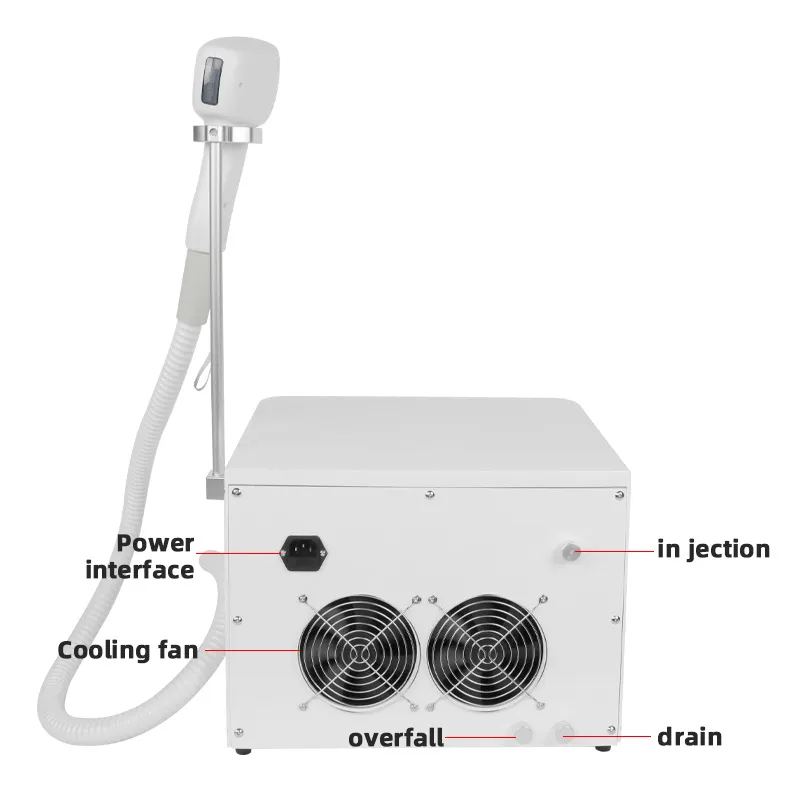
Some new laser hair removal machines are equipped with a cooling system, which can lower skin temperature and moderately reduce the risk of burns. However, careful selection of wavelength and energy parameters is still necessary, and the procedure should be performed under the supervision of a doctor.
Can psoriasis patients undergo hair removal during remission?
It is not recommended. Psoriasis patients have a fragile skin barrier, and even during remission, the laser heat may still trigger inflammation recurrence.
How long after stopping photosensitive medication can laser hair removal be performed?
It is generally recommended to wait 3–6 months after stopping the medication before receiving treatment to ensure complete metabolism of the drug.
How can individuals with a history of keloids determine if they are suitable for treatment?
A small area test should be performed first on areas such as behind the ear or the inner arm. If there is no redness or hyperplasia reaction, the treatment area can be gradually expanded.
How to reduce the risks of laser hair removal?
Even if you belong to the suitable demographic, please pay attention to the following safety details:
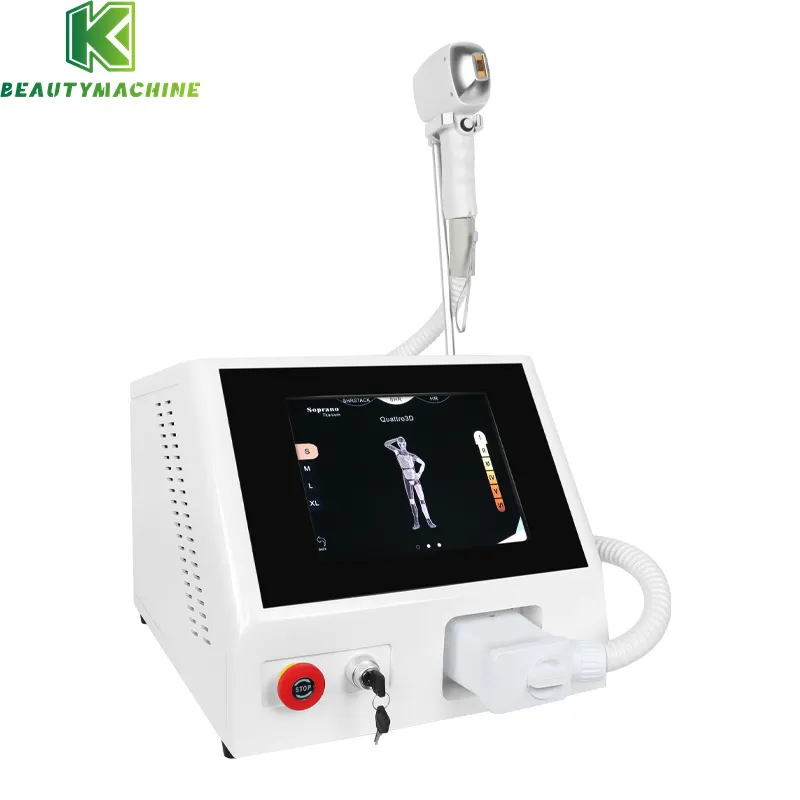
Choose a professional institution and a certified laser hair removal machine:
—Ensure the equipment has stable energy output, a complete cooling system, and precise control of treatment parameters.
Strictly follow pre-treatment cleaning and post-treatment care:
—Keep the skin clean before treatment, and avoid hot water washing, saunas, or sun exposure after treatment.
Adhere to treatment intervals:
—Maintain an interval of 4–8 weeks between treatments to ensure the complete hair follicle cycle.
Address any discomfort promptly:
—If redness, blisters, or itching occur, immediately apply a cold compress and contact a professional doctor.
What is the typical lifetime of KuoHai products?
Most KuoHai devices are designed for long-term operation, often lasting years with proper use. Components are selected for durability and minimal maintenance. Whether for home or salon use, our products maintain stable energy output and reliable performance over time. This makes them highly cost-effective for customers who buy wholesale, especially when paired with our discounted factory prices.
Related News
More >-
![Do electronic muscle stimulators actually work?]()
Do electronic muscle stimulators actually work?
EMS devices work by sending electrical impulses through the skin, offering benefits such as helping to repair tissue and strengthen muscles. Most EMS muscle tone users notice decreased muscle fatigue during daily activities after 2–3 weeks. Visible muscle definition improvements typically appear after 6–8 weeks of consistent EMS muscle tone use.
-
![Is Hydrodermabrasion Suitable for Oily Skin?]()
Is Hydrodermabrasion Suitable for Oily Skin?
Very suitable, but it must be done correctly and gently, with the intensity adjusted according to skin tolerance. Since oily skin is often accompanied by acne scars and minor acne marks, the hydrodermabrasion facial machine can also help: • Reduce minor acne scars • Reduce fine lines • Improve dull skin tone
-
![Does Cryolipolysis Increase Bowel Movements?]()
Does Cryolipolysis Increase Bowel Movements?
During cryolipolysis, a cryolipolysis slimming machine is used to cool fat cells to near freezing point, causing excessive fat cells to undergo irreversible apoptosis. The apoptotic fat cells are then naturally transported and broken down by the body through the lymphatic system and ultimately eliminated through metabolism.
-
![What are the Pros and Cons of a vacuum butt lift machine?]()
What are the Pros and Cons of a vacuum butt lift machine?
Main Advantages • Non-invasive, high safety • Simple operation, no recovery period • Improves local circulation • Enhances buttock fullness etc. Main Disadvantages • Effects are not long-lasting, requiring multiple treatments • Cannot change bone or muscle structure • May cause minor bruising etc.
-
![Does Hydrodermabrasion Require Needles?]()
Does Hydrodermabrasion Require Needles?
Hydrodermabrasion does not require needles at all. Modern hydrodermabrasion uses a combination of professional tools, water, and serum, paired with an advanced hydrodermabrasion facial machine. The entire treatment is completed through water rinsing, negative pressure suction, and simultaneous infusion of repairing ingredients.
-
![How Long Should the Interval Be Between Hydrodermabrasion Treatments?]()
How Long Should the Interval Be Between Hydrodermabrasion Treatments?
The professional recommendation of 3-4 weeks is because: The skin's natural renewal cycle is approximately 28 days. Hydrating facials use a hydrodermabrasion facial machine to remove dead skin cells, so the skin must have sufficient time to regenerate a new stratum corneum before the next treatment.
-
![What happens if you don't exfoliate after laser hair removal?]()
What happens if you don't exfoliate after laser hair removal?
If you don't exfoliate after laser hair removal, dead skin cells will accumulate in the treated area, hindering hair removal and potentially even affecting skin health.
-
![How to Prepare for Hydrodermabrasion?]()
How to Prepare for Hydrodermabrasion?
• Stop using acid-based products and strong skincare products 3–5 days in advance • On the day of your treatment, keep your skin gently clean and without makeup • Avoid sun exposure and prolonged exposure to high temperatures • Sensitive skin requires extra caution • The more stable your skin is before the treatment, the better the hydrodermabrasion facial machine will perform.
Get the latest price? We'll respond as soon as possible(within 12 hours)