



How Long Does It Take for Hair to Fall Out After Laser Hair Removal?
2025-12-19 15:30
Laser hair removal has become a very popular technology in the modern beauty industry. Compared to traditional methods like plucking, shaving, or using hair removal creams, laser hair removal not only prolongs the hair-free period but also reduces the rate of hair regrowth.
However, many people undergoing laser hair removal for the first time often have a question: How long does it actually take for the hair to fall out after laser hair removal?
This article will provide a detailed analysis from multiple perspectives, including the principles of laser hair removal, the hair growth cycle, the effects of laser hair removal, and physiological reactions, helping you to understand this process scientifically.
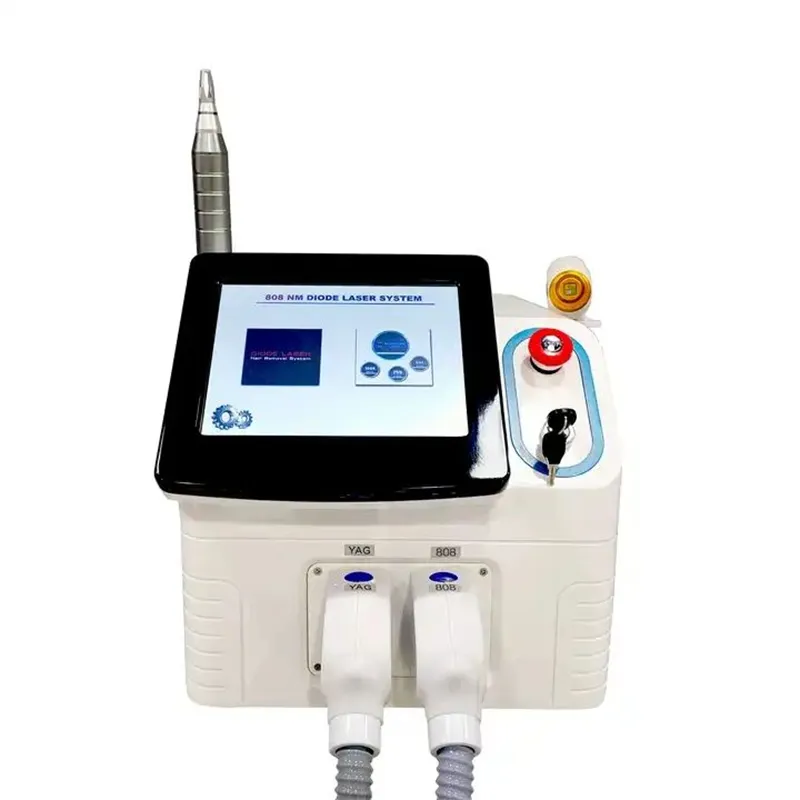
How Does a Laser Hair Removal Machine Work on Hair?
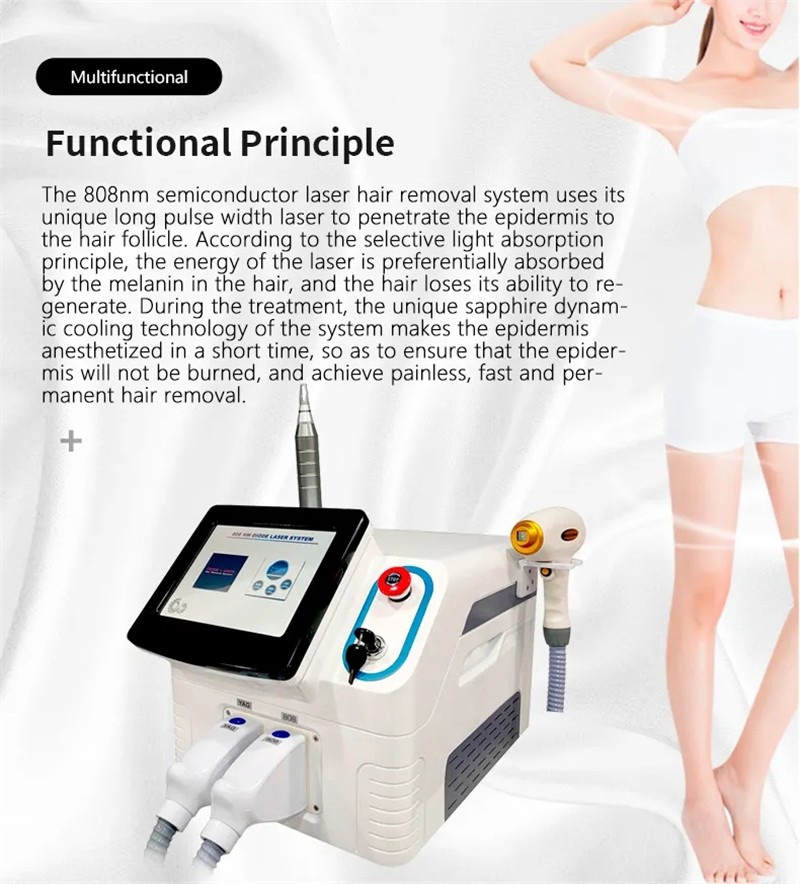
A laser hair removal machine emits a beam of light of a specific wavelength that acts on the melanin in the hair follicle, converting light energy into heat energy to destroy the hair follicle cells, thereby inhibiting hair growth. The heat energy of the laser penetrates the skin's surface and acts directly on the hair follicle without damaging surrounding skin tissue, which is one of the safety advantages of laser hair removal compared to traditional methods.
Key Points:
• The laser beam primarily targets hair in the anagen phase (growth phase).
• After the hair follicle is destroyed by laser, the hair does not fall out immediately, but gradually enters the natural shedding phase.
• The shedding time varies depending on the location of the hair and its growth cycle.
Therefore, understanding the hair growth cycle is crucial for predicting the shedding time.
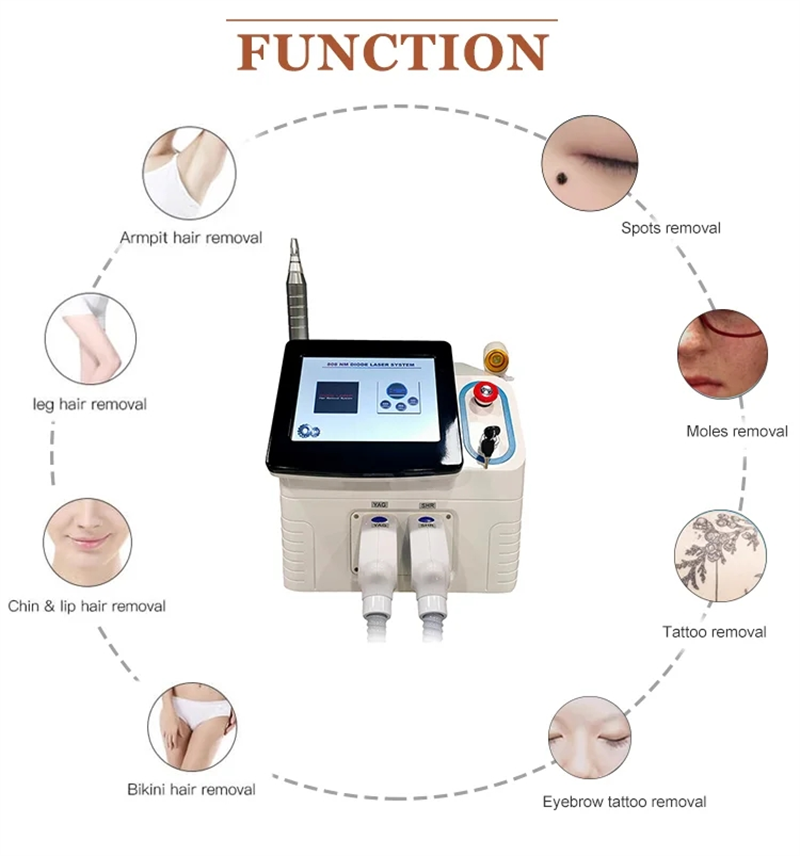
What factors affect hair shedding time?
The hair shedding time after laser hair removal is not fixed and is affected by several factors. These mainly include the following:
1. Hair Growth Cycle
Human hair goes through three phases: anagen (growth phase), catagen (transitional phase), and telogen (resting phase). Laser hair removal machines are primarily effective on hair in the anagen phase:
• Anagen phase: The hair follicle is in an active growth state with abundant melanin, resulting in the best laser hair removal effect.
• Catagen phase: The hair follicle begins to shrink, and the laser's effect is limited.
• Telogen phase: The hair follicle is in a dormant state, and the laser is almost ineffective.
Because hair is at different stages, the time it takes for hair to fall out after laser hair removal will vary. Generally, hair begins to loosen and fall out gradually 7-21 days after treatment.
2. Type and Power of Laser Hair Removal Machine
Different models of laser hair removal machines differ in wavelength, energy, and pulse duration, which affects the speed and effectiveness of hair removal. For example:
• Longer wavelength lasers can penetrate deeper into the hair follicle, resulting in better effects on coarse hair.
• High energy density lasers can more thoroughly destroy hair follicles, but require professional operation to avoid skin damage.
Choosing the appropriate type of laser hair removal machine can significantly improve hair removal efficiency and speed.
3. Skin Type and Hair Characteristics
The effectiveness of laser hair removal is closely related to skin type and hair color:
• Darker hair with abundant melanin absorbs laser better and falls out faster.
• People with lighter skin and darker hair usually see noticeable hair loss 1-2 weeks after treatment.
• Light-colored, fine hair absorbs less laser energy, so the hair loss process may take longer and the effect may be relatively limited.
4. Individual Metabolism and Care Habits
Hair loss is also affected by individual metabolic rate, blood circulation, and skin care. For example:
• People with faster metabolisms tend to lose hair faster.
• Avoid scratching, applying heat, or excessively massaging the treated area after the procedure to reduce premature hair loss or skin irritation.
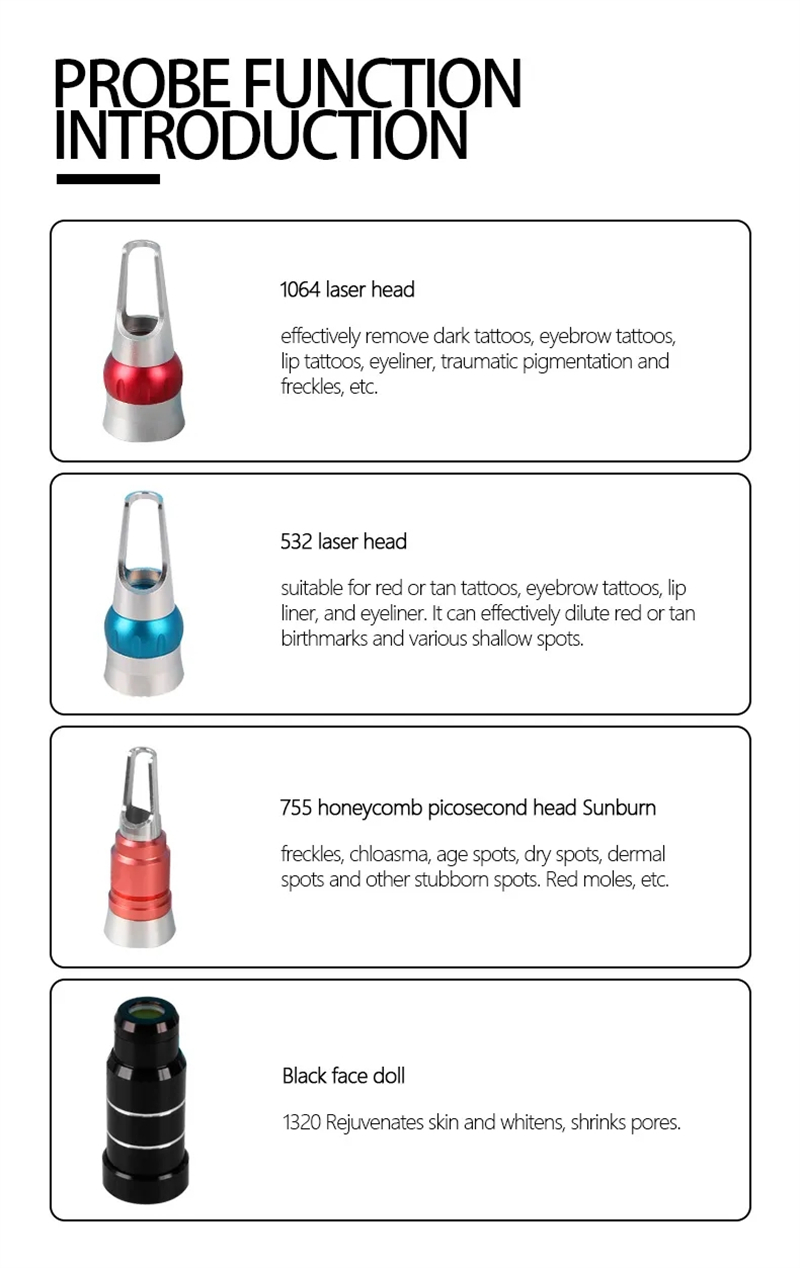
How long does it usually take for hair to fall out after laser hair removal?
According to scientific research and clinical observation, the hair loss time after laser hair removal follows a certain pattern:
1. Initial Shedding Phase (1-3 weeks)
After the laser destroys the hair follicle, the hair will gradually loosen and fall out naturally through the skin surface. Usually, patients will notice hair starting to fall out within the first to third week after treatment; this is a normal physiological phenomenon known as the "pseudo-shedding period."
2. Mid-term observation phase (3-6 weeks)
Some hairs may experience delayed shedding, mainly because they are in the telogen or catagen phase and have not been fully treated by the laser. During this time, the hairs will gradually become thinner and softer, and then slowly fall out.
3. Post-treatment consolidation phase (6-8 weeks)
Most hairs will have completely fallen out during this phase. To achieve the ideal hair removal effect, 2-4 treatments are usually required, each spaced 4-6 weeks apart, to cover hairs in different growth cycles.
Therefore, hair loss after a single laser hair removal treatment may be gradual, rather than immediate.
Precautions for Hair Loss After Laser Hair Removal
To ensure the effectiveness of laser hair removal and avoid skin discomfort, please note the following:
1. Do not pluck or wax immediately after treatment
Plucking or waxing before the hair has completely fallen out will damage the hair follicles and affect the effectiveness of laser hair removal.
2. Avoid sun exposure and high temperatures
Post-treatment skin is more sensitive. Prolonged exposure to sunlight or high temperatures may cause pigmentation or redness.
3. Keep skin clean
The treated area should be kept clean and dry to prevent infection. Use gentle skincare products to promote recovery.
4. Follow up with your doctor as advised
Different areas have different hair growth cycles. Multiple laser hair removal sessions can cover all hairs in the growth phase, resulting in more lasting hair removal effects.
Why do some hairs fall out more slowly?
Even with a high-quality laser hair removal machine, some hairs may still fall out more slowly. Reasons include:
• The hair is in the resting or telogen phase, and the laser cannot reach it.
• The hair follicle is deep, and the laser energy is insufficient to completely destroy it.
• Individual slow metabolism or low laser energy setting.
In these cases, don't worry, this is a normal physiological phenomenon. With subsequent laser hair removal treatments, the hair will gradually fall out.
How to speed up hair removal after laser hair removal?
While hair loss time is primarily influenced by the hair growth cycle, some care methods can help hair fall out faster:
1. Gently wash your face or shower with warm water
Warm water promotes blood circulation, making hair easier to fall out naturally.
2. Gentle exfoliation
About a week after the procedure, you can gently exfoliate to help loosen the hair, but avoid excessive friction.
3. Avoid chemical hair removal or plucking
Use a razor to remove surface hair; do not pluck the hair follicle, as this can affect the laser's effectiveness.
4. Regular follow-up appointments
Follow your doctor's recommendations for subsequent laser treatments to cover hair in different growth phases and accelerate overall hair loss.
The Relationship Between Laser Hair Removal Machine Selection and Hair Loss
There are many types of laser hair removal machines on the market, including diode lasers, Athena lasers, and honeycomb lasers. Choosing the right laser hair removal machine directly affects the speed of hair loss and the effectiveness of hair removal:
• Wavelength selection: Longer wavelengths penetrate deeper and are suitable for areas with coarse and thick hair.
• Energy Density: Too low an energy level will result in incomplete hair removal, while too high an energy level may irritate the skin.
• Pulse Mode: Continuous or segmented pulses affect the heating time of the hair follicles, thus affecting the hair removal effect.
Correctly selecting and operating the laser hair removal machine can maximize the hair removal effect and shorten the hair removal time.
Is hair loss immediate after laser hair removal?
No, hair will not fall out immediately. It usually takes 7-21 days, and some hairs may take up to a month to fall out.
Can laser hair removal completely remove hair in one session?
No, due to the different hair growth cycles, one laser hair removal session can only target hairs in the growth phase. Usually, 2-4 sessions are needed to cover all hair follicles.
Will hair loss rebound after laser hair removal?
After hair falls out, the new hair will be thinner, softer, and less dense than before. Multiple laser hair removal sessions can achieve a long-term effect of inhibiting hair growth.
Can I shave immediately after laser hair removal?
You can shave off the surface hair, but plucking or waxing is not recommended, as it may damage the hair follicles and affect the subsequent hair removal results.
What makes KuoHai a reliable supplier in China?
Reliability comes from experience and professionalism. Since 2019, KuoHai has been a trusted name in the beauty equipment industry, providing consistent supply, competitive pricing, and strong after-sales support. Our factory focuses on research, design, and production to deliver cutting-edge technology at affordable costs.
We value long-term partnerships and offer customized solutions for wholesalers, distributors, and salon owners. High quality, low price, and professional service define our company.
Related News
More >-
![Do electronic muscle stimulators actually work?]()
Do electronic muscle stimulators actually work?
EMS devices work by sending electrical impulses through the skin, offering benefits such as helping to repair tissue and strengthen muscles. Most EMS muscle tone users notice decreased muscle fatigue during daily activities after 2–3 weeks. Visible muscle definition improvements typically appear after 6–8 weeks of consistent EMS muscle tone use.
-
![Is Hydrodermabrasion Suitable for Oily Skin?]()
Is Hydrodermabrasion Suitable for Oily Skin?
Very suitable, but it must be done correctly and gently, with the intensity adjusted according to skin tolerance. Since oily skin is often accompanied by acne scars and minor acne marks, the hydrodermabrasion facial machine can also help: • Reduce minor acne scars • Reduce fine lines • Improve dull skin tone
-
![Does Cryolipolysis Increase Bowel Movements?]()
Does Cryolipolysis Increase Bowel Movements?
During cryolipolysis, a cryolipolysis slimming machine is used to cool fat cells to near freezing point, causing excessive fat cells to undergo irreversible apoptosis. The apoptotic fat cells are then naturally transported and broken down by the body through the lymphatic system and ultimately eliminated through metabolism.
-
![What are the Pros and Cons of a vacuum butt lift machine?]()
What are the Pros and Cons of a vacuum butt lift machine?
Main Advantages • Non-invasive, high safety • Simple operation, no recovery period • Improves local circulation • Enhances buttock fullness etc. Main Disadvantages • Effects are not long-lasting, requiring multiple treatments • Cannot change bone or muscle structure • May cause minor bruising etc.
-
![Does Hydrodermabrasion Require Needles?]()
Does Hydrodermabrasion Require Needles?
Hydrodermabrasion does not require needles at all. Modern hydrodermabrasion uses a combination of professional tools, water, and serum, paired with an advanced hydrodermabrasion facial machine. The entire treatment is completed through water rinsing, negative pressure suction, and simultaneous infusion of repairing ingredients.
-
![How Long Should the Interval Be Between Hydrodermabrasion Treatments?]()
How Long Should the Interval Be Between Hydrodermabrasion Treatments?
The professional recommendation of 3-4 weeks is because: The skin's natural renewal cycle is approximately 28 days. Hydrating facials use a hydrodermabrasion facial machine to remove dead skin cells, so the skin must have sufficient time to regenerate a new stratum corneum before the next treatment.
-
![What happens if you don't exfoliate after laser hair removal?]()
What happens if you don't exfoliate after laser hair removal?
If you don't exfoliate after laser hair removal, dead skin cells will accumulate in the treated area, hindering hair removal and potentially even affecting skin health.
-
![How to Prepare for Hydrodermabrasion?]()
How to Prepare for Hydrodermabrasion?
• Stop using acid-based products and strong skincare products 3–5 days in advance • On the day of your treatment, keep your skin gently clean and without makeup • Avoid sun exposure and prolonged exposure to high temperatures • Sensitive skin requires extra caution • The more stable your skin is before the treatment, the better the hydrodermabrasion facial machine will perform.

Get the latest price? We'll respond as soon as possible(within 12 hours)